- 35% of governments realign chip policies amid AI geopolitics.
- SOX Index drops 6% as U.S.-China controls intensify.
- USD 500B in chip investments shift to new hubs by 2028.
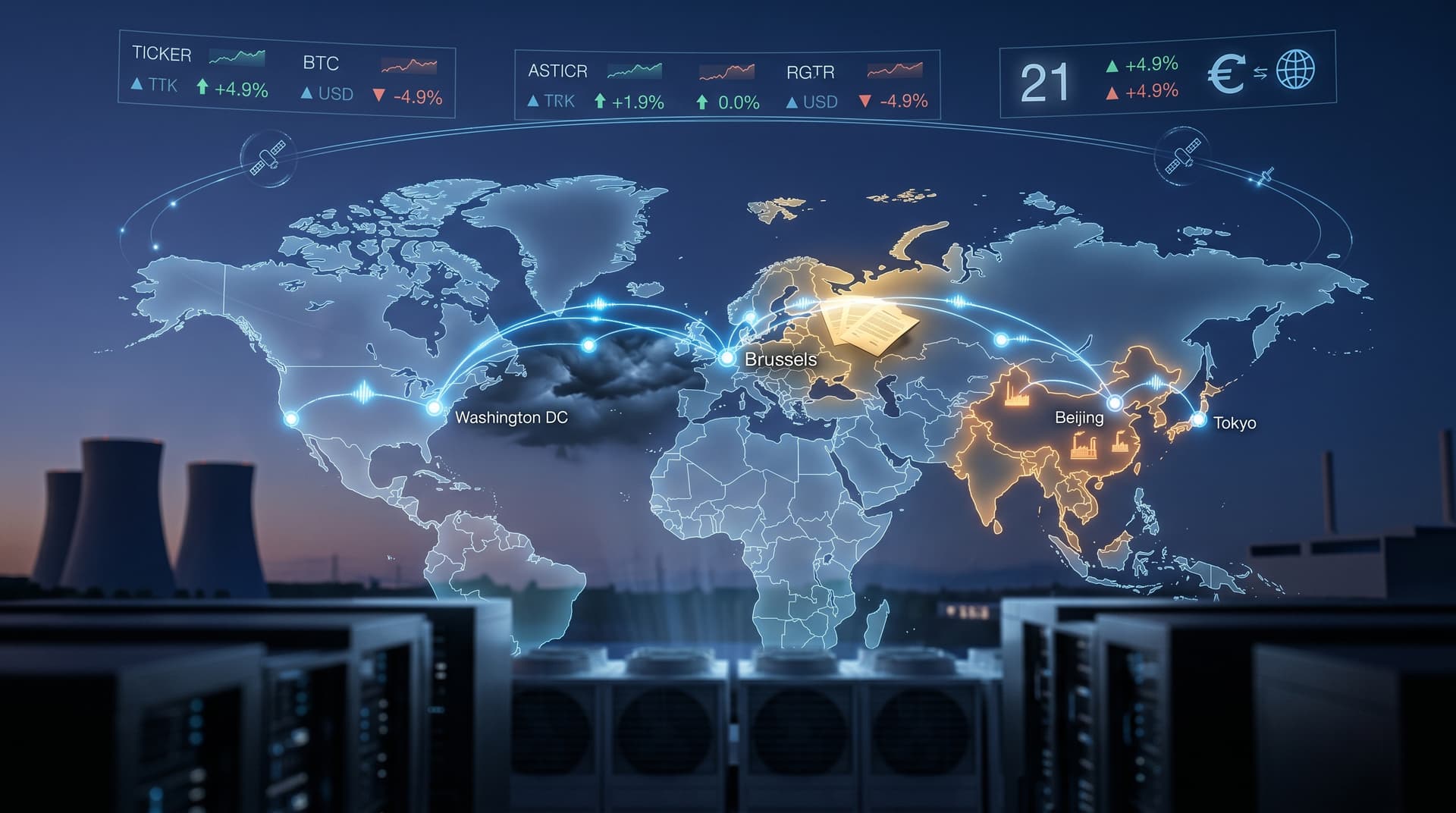
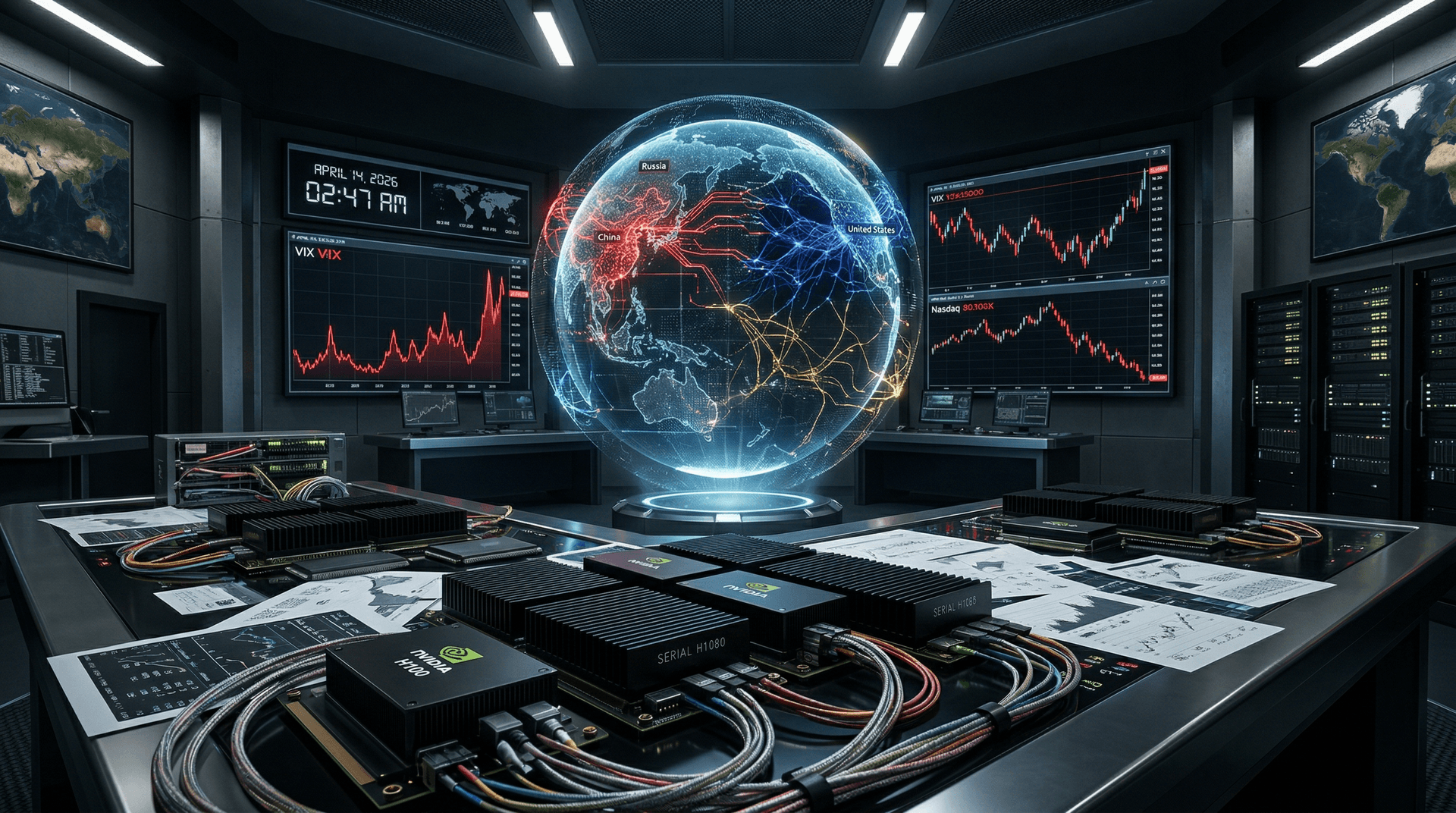
AI geopolitics drives 35% of governments worldwide to realign chip supply chain policies as of April 13, 2026, per CSIS analysis.
Nations accelerate diversification amid U.S.-China export controls. Global semiconductor production delays hit 12% in Q1 2026, per SEMI.org industry filings.
U.S. Export Controls Fragment Global Flows
U.S. Commerce Department's Bureau of Industry and Security (BIS) tightens AI chip exports to China in Q1 2026. High-end GPU license approvals fall 28% year-over-year, BIS data shows. This starves Chinese AI firms of compute power and forces domestic substitution.
TSMC relocates 15% of advanced-node capacity to Arizona fabs, Q1 2026 company filings confirm. "Controls fragment supply chains and raise costs," says Gregory C. Allen, CSIS senior fellow.
NVIDIA reports USD 2.5 billion in lost China revenue, Q1 2026 SEC 10-Q filing. Japan and Netherlands restrict ASML lithography exports to China, per respective government announcements. EU allocates EUR 10 billion via Chips Act for domestic production, European Commission press release states.
Bloomberg Terminal tracks 22 policy shifts since January 2026. These reroute USD 100 billion in annual trade flows, UNCTAD Q1 2026 data confirms.
China Accelerates Domestic Semiconductor Push
China mandates 70% local AI chip sourcing by 2028, per Ministry of Industry and Information Technology (MIIT) guidelines. Huawei's Ascend 910C captures 18% data center GPU share, Canalys Q1 2026 report.
SMIC achieves 5nm yields at 60% despite U.S. sanctions, Xinhua News Agency reports April 2026. "Beijing invests USD 50 billion annually in semiconductors," notes Paul Triolo, SVP at Eurasia Group.
This spurs USD 20 billion FDI inflows to Vietnam and India in 2025, UNCTAD data via Taiwan Economic Research Institute (TIER) cross-verification. Global chip prices rise 8% in Q1 2026, TIER reports.
NVIDIA (NVDA) shares fall 5% to USD 145 in pre-market Nasdaq trading April 13, 2026.
Global Diversification Gains Momentum
India launches USD 15 billion incentives via India Semiconductor Mission, attracting Micron's USD 2.75 billion Gujarat plant, company announcement confirms. Malaysia handles 25% of global back-end packaging, SEMI.org Q1 2026 World Fab Forecast.
Samsung commits USD 17 billion to Texas fabs, company statement. McKinsey forecasts China's semiconductor import dependency drops from 45% to 28% by 2030, based on 2026 capex models.
"Diversification imposes USD 1 trillion costs over five years," warns Richard Waters, Financial Times tech editor. U.S. 2-year Treasury yields hit 4.1% versus 10-year at 3.9% April 13, 2026, U.S. Treasury data.
Transmission: Higher fab costs inflate AI training expenses by 15%, slowing hyperscaler earnings growth, per Goldman Sachs models.
Equities Face Supply Shock Pressures
Philadelphia Semiconductor Index (SOX) plunges 6% to 4,200 April 13, 2026. ASML Holding (ASML.AS) drops 9% on Euronext Amsterdam; TSMC (TSM) ADR falls 4% to USD 165 on NYSE.
Goldman Sachs cuts NVIDIA price target 10% to USD 160, April 13 equity research note, citing revenue hits. Broadcom warns of 5% revenue impact from restrictions, Q1 2026 earnings guidance.
S&P 500 (SPX) futures signal 1.2% lower open. Fed monitors supply shocks for inflation passthrough; no rate change in April 2026 FOMC minutes.
ECB holds deposit rate at 3.25% post-April 2026 meeting, Governing Council statement.
Capital Redirects to Emerging Hubs
Southeast Asia chip venture capital surges 40% to USD 8 billion in Q1 2026, PitchBook data. Temasek leads USD 1.2 billion Malaysian fab round.
Japan's Rapidus secures JPY 330 billion (USD 2.2 billion) for 2nm development; government subsidies cover 35%, Ministry of Economy, Trade and Industry announcement. CSIS identifies 15 new alliances.
USD/JPY weakens 0.5% in forex session April 13, 2026. Taiwan activates USD 100 billion contingency fund for defense, Ministry of Economic Affairs.
Macroeconomic Transmission Mechanisms
Chip realignments elevate costs 15-20%, McKinsey 2026 analysis. Goldman Sachs projects USD 500 billion in redirected investments by 2028.
Hyperscalers like Microsoft boost AI capex 25% to USD 60 billion in FY2026, MSFT 10-K filing, to secure supply amid 8% input inflation.
Eurasia Group flags U.S. election risks to controls. Fed's April 30, 2026 meeting assesses supply disruptions against core PCE inflation at 2.6% for March 2026, U.S. BLS data.
Global GDP growth dips 0.3% in 2026 forecast, IMF World Economic Outlook April 2026 update attributes to semiconductor frictions. Diversified flows build resilience, but volatility persists.