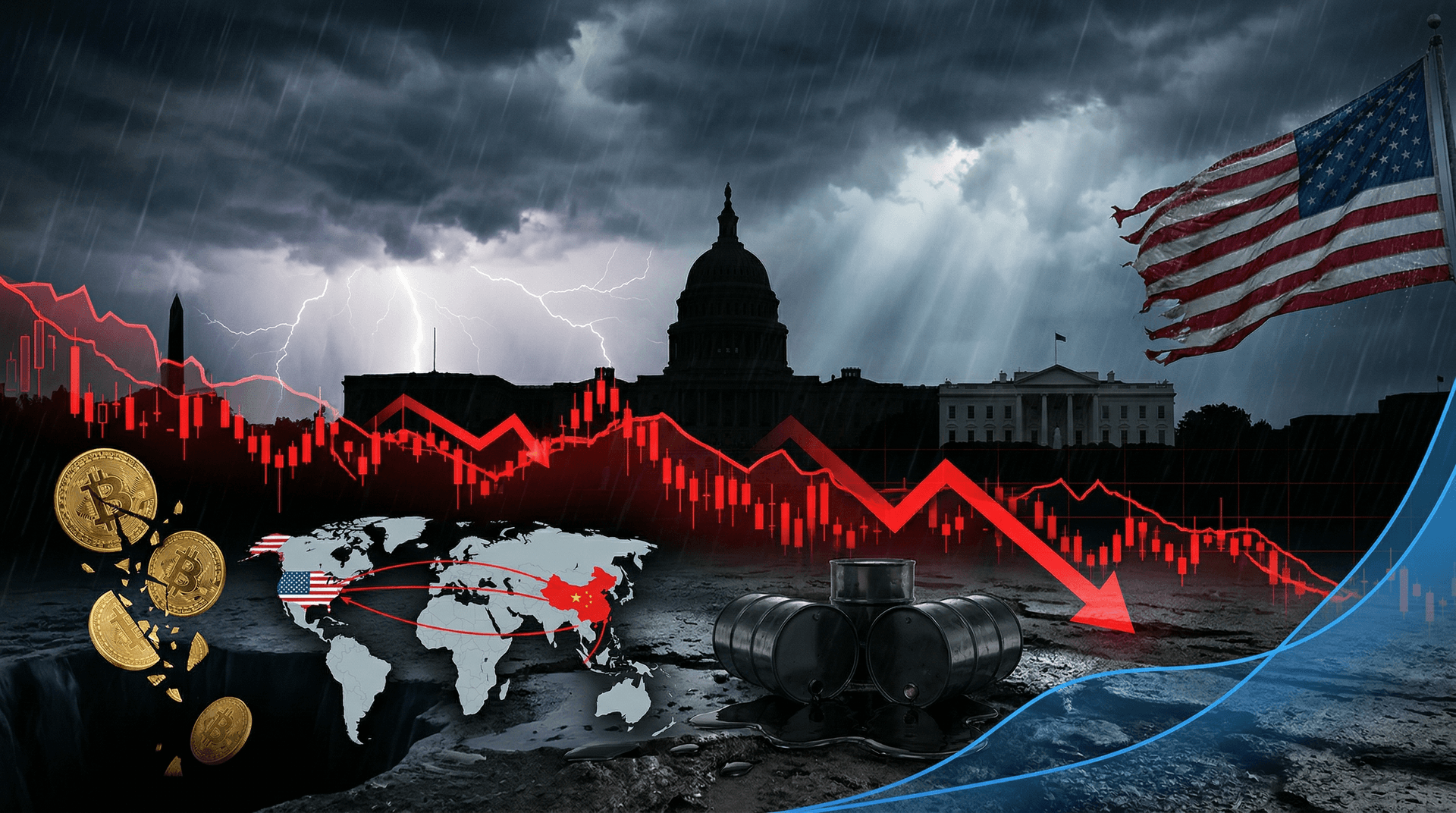
In a striking display of bipartisan resolve, the US Senate on March 1, 2023, voted 85-9 to pass legislation that prohibits the Biden administration from selling oil from the Strategic Petroleum Reserve (SPR) to China. This measure, which now heads to the House where a similar bill has already passed, marks a significant escalation in the geopolitical tussle between the world's two largest economies. The action comes against the backdrop of heightened US-China rivalry, including disputes over Taiwan, technology exports, and the recent Chinese spy balloon incident.
Background on the SPR and Recent Releases
The SPR, established in 1975 after the Arab oil embargo, holds about 370 million barrels of crude oil in underground salt caverns along the Gulf Coast. It serves as a critical buffer against supply disruptions. Last year, President Biden authorized the historic release of 180 million barrels to combat soaring gasoline prices following Russia's invasion of Ukraine. While this helped lower pump prices temporarily, revelations emerged that some of that oil ended up in China through Unipec, a subsidiary of state-owned Sinopec.
Reports from Bloomberg and others highlighted that Unipec purchased millions of barrels of SPR crude via third-party traders. This irked lawmakers on both sides of the aisle, who argued that American strategic assets should not bolster China's energy needs, especially as Beijing maintains close economic ties with Russia despite Western sanctions.
Senator John Cornyn (R-TX), a co-sponsor of the Senate bill, stated, "America's Strategic Petroleum Reserve is not a Chinese dollar store." His Democratic counterpart, Senator Joe Manchin (D-WV), echoed this sentiment, emphasizing energy security in an era of global volatility.
Geopolitical Context: US-China Energy Decoupling
This legislative push reflects broader efforts to decouple critical supply chains from China. Since the onset of the trade war in 2018, the US has imposed tariffs, export controls on semiconductors, and investment restrictions. The spy balloon saga in late February, where a Chinese high-altitude surveillance device was shot down over US airspace, has further inflamed tensions.
China, the world's top oil importer, relies on seaborne crude for over 70% of its needs. It has deepened ties with sanctioned Russian producers, buying discounted Urals crude and reselling refined products at a premium. US policymakers fear that SPR oil indirectly funds this axis, undermining sanctions efficacy.
The bill, formally the "Strategic Petroleum Reserve for Energy Security Act," amends the Energy Policy and Conservation Act to bar sales to any entity in China, Hong Kong, or Macau unless waived for national security reasons. With the House passing an identical measure in December 2022 by 350-80, President Biden faces pressure to sign it into law.
Market Implications for Oil and Global Trade
Oil markets have been whipsawed by geopolitics. Brent crude hovered around $82 per barrel on March 1, down from post-Ukraine invasion peaks but up 5% year-to-date amid OPEC+ cuts. Blocking SPR sales to China could tighten supply dynamics, potentially supporting prices. However, the SPR is now at its lowest levels since 1983, prompting calls for refilling through royalty oil or purchases when prices dip below $67/barrel.
For US producers, this is a boon. Shale output in the Permian Basin hit records, with exports surging. Yet, refining capacity constraints and the shift to EVs complicate the picture. Globally, Europe's scramble for LNG after ditching Russian pipeline gas has reshaped flows, benefiting US exporters.
China's response could be muted publicly, but expect accelerated deals with Russia, Iran, and Venezuela. Moscow's oil revenues remain robust despite the G7 price cap, thanks to shadow fleets and insurance workarounds.
Broader Macro and Geopolitical Ramifications
This episode underscores the weaponization of energy in great-power competition. The US, once a net importer, is now the top producer, leveraging this for leverage. Biden's State of the Union address on March 2 reiterated commitments to allies, including $2.6 billion in energy aid to Ukraine and Europe.
Economically, higher oil prices risk stoking inflation, already cooling to 6% CPI in February from 9% peaks. The Fed's rate hikes continue, with markets pricing in a March 25 pause? No, hikes likely. Fed funds futures imply 25bps rise.
For investors, energy stocks like ExxonMobil and Chevron have outperformed, up 10-15% YTD. Geopolitical risk premia persist, favoring diversified portfolios.
In Asia, allies like Japan and South Korea, heavy SPR buyers, face no such bans, reinforcing alliances. India's neutral stance allows it to arbitrage Russian discounts, but US pressure mounts.
Looking Ahead: Energy Security in a Fractured World
As the Ukraine war grinds into its second year, energy geopolitics will dominate. Expect more sanctions rounds, perhaps targeting China's role in dual-use tech for Russia. The SPR refill strategy, aiming for 2024-2025, hinges on market conditions.
This Senate vote signals Washington's resolve: strategic assets stay domestic amid existential threats. For global markets, it portends a bifurcated energy trade—Western alliances versus Sino-Russian bloc—prolonging volatility.
Business leaders must navigate this landscape, prioritizing supply chain resilience and hedging commodities. In geopolitics, energy remains the ultimate currency.
(Word count: 912)