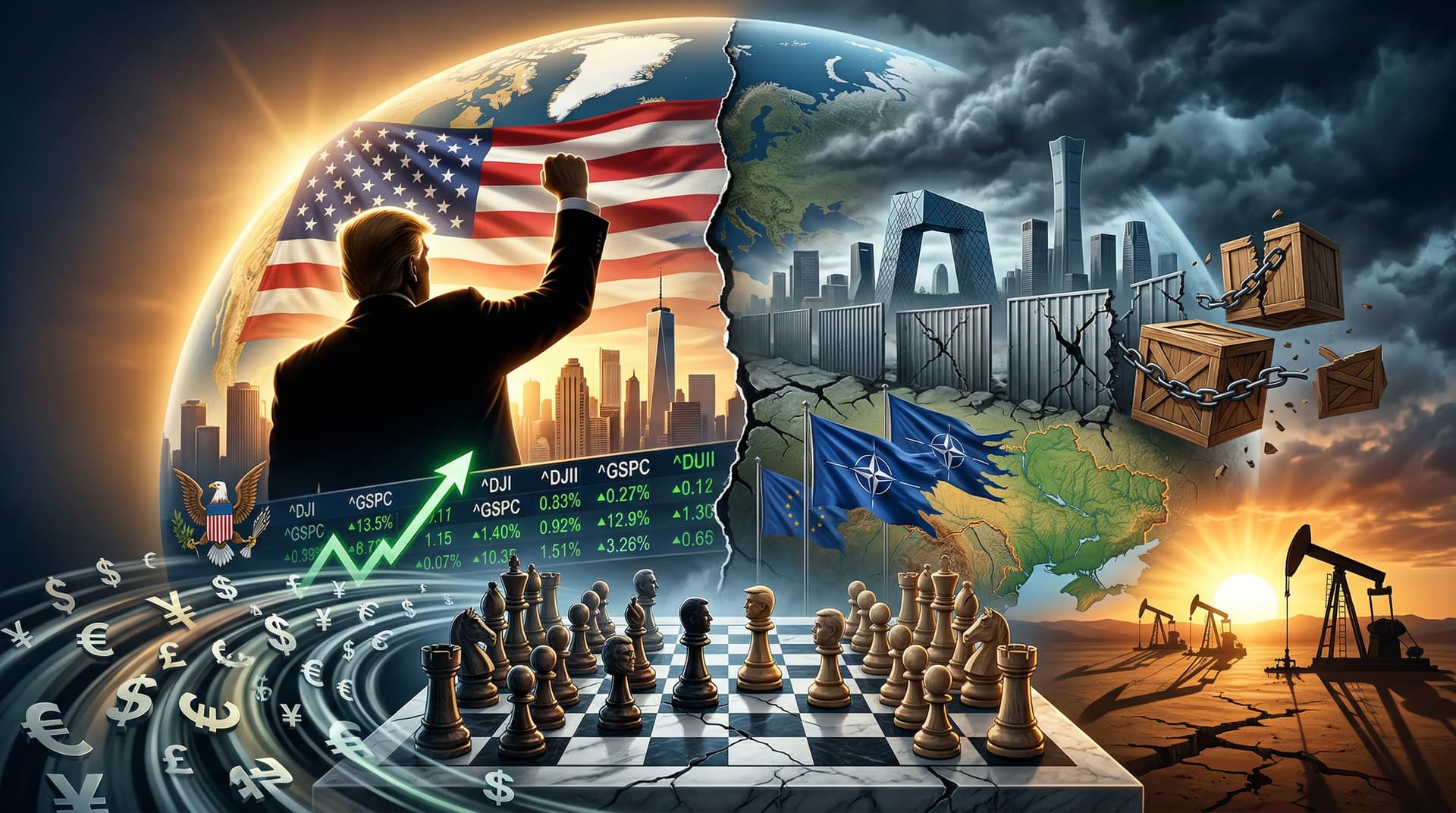
On November 5, 2024, Donald Trump secured a resounding victory in the US presidential election, capturing both the Electoral College and the popular vote in a mandate that eclipses his 2016 triumph. With Republicans poised to control Congress, the stage is set for an aggressive policy agenda that will reverberate across global geopolitics and markets. This isn't merely a domestic political shift; it's a macro event poised to redefine trade flows, alliance structures, and economic power balances.
Immediate Market Reactions
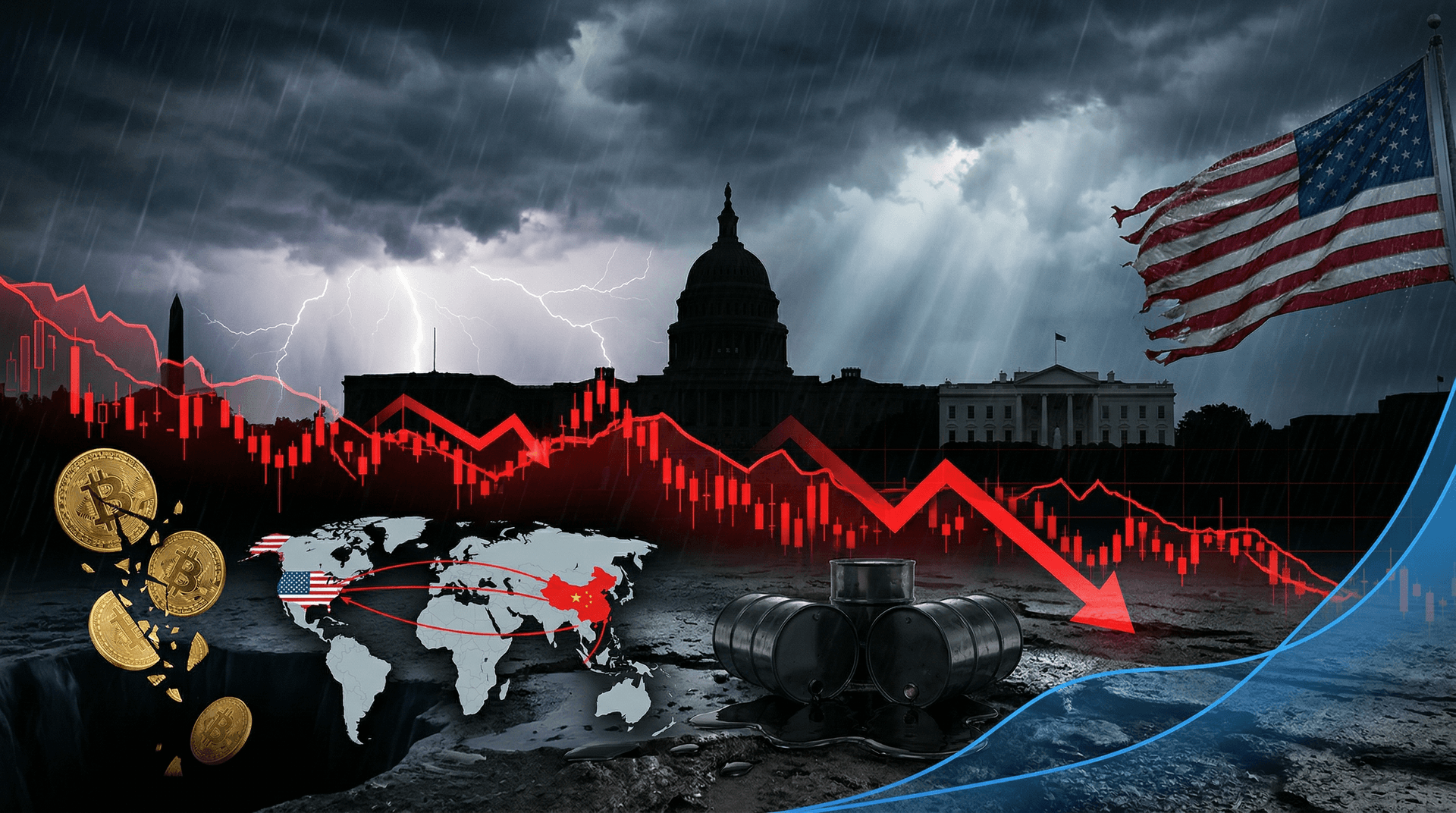
Financial markets responded with a mix of euphoria and caution. The S&P 500 surged over 2.5% in post-election trading on November 6, driven by expectations of corporate tax cuts and deregulation. The US dollar strengthened against major currencies, while Bitcoin hit new highs amid Trump's pro-crypto stance. However, European indices like the DAX and CAC 40 dipped, reflecting fears of transatlantic friction.
In Asia, the Hang Seng Index fell sharply, as investors priced in 60% tariffs on Chinese goods—a promise Trump reiterated during the campaign. Oil prices fluctuated, with Brent crude hovering around $75 per barrel, sensitive to potential Middle East policy pivots.
Trade Wars 2.0: China in the Crosshairs
Trump's "America First" doctrine will likely escalate tensions with Beijing. During his first term, tariffs on $360 billion of Chinese imports sparked a trade war that slowed global GDP growth by an estimated 0.5%. Now, with a stronger mandate, Trump has vowed universal 10-20% tariffs on all imports, escalating to 60% on China.
This could disrupt supply chains in semiconductors, EVs, and renewables—sectors critical to macro stability. China's economy, already grappling with a property crisis and youth unemployment at 17%, faces export headwinds. Beijing may retaliate with rare earth restrictions or soybean bans, hitting US farmers hard despite subsidies.
Geopolitically, this pits the US against the world's factory in a battle for technological supremacy. US allies like Taiwan and South Korea, key in chip production, will navigate delicate balances, potentially accelerating "friendshoring" to Mexico and Vietnam.
NATO and Europe: A Transactional Alliance?
Trump's skepticism toward NATO has long unnerved European leaders. He famously demanded allies spend 2% of GDP on defense, a threshold only 23 of 32 members met by 2024. With Russia's war in Ukraine grinding on, Trump's pledge to end the conflict "in 24 hours" via negotiations raises alarms.
Markets fear reduced US aid to Kyiv—already $175 billion committed—prompting Europe to boost defense spending. Germany's €100 billion special fund and France's nuclear overtures signal a more autonomous EU. Bond yields in periphery nations like Italy spiked, as investors worry about fiscal strains.
A Trump administration might prioritize bilateral deals over multilateralism, pressuring the UK post-Brexit for closer ties while sidelining the EU. This could fragment the West, boosting Russia's leverage and commodity prices.
Middle East Realignment
Trump's pro-Israel stance, evident in the Abraham Accords, positions him to broker further normalization. With Iran-backed Hamas and Hezbollah active, a muscular US policy could stabilize oil routes through the Strait of Hormuz, capping energy volatility.
Saudi Arabia eyes a US defense pact sans Iran deal revival, potentially flooding markets with oil and pressuring prices downward—a boon for inflation control but headache for US shale producers. Geopolitically, this sidelines China's Belt and Road in the region.
Macro Implications: Inflation, Fed, and Dollar Dominance
Trump's tariff blitz risks reigniting inflation, complicating the Federal Reserve's rate cuts. Markets price in 75 basis points of easing by year-end 2024, but higher import costs could force a pause. Fiscal expansion via tax cuts—projected at $4-5 trillion over a decade—will balloon the $35 trillion US debt, yielding 4.5% on 10-year Treasuries.
Emerging markets face capital outflows as the dollar rallies. India's rupee and Brazil's real weakened post-election, underscoring Fed independence as a firewall. Crypto and gold emerge as hedges, with Ethereum ETFs inflows surging.
Long-Term Geopolitical Realignment
Trump's victory accelerates a multipolar world. BRICS expansion—now including Egypt, Ethiopia, Iran, UAE—challenges dollar hegemony, though de-dollarization remains nascent at 3% of reserves. US LNG exports to Europe, up 140% since 2021, cement energy leverage.
In the Indo-Pacific, Quad alliances with Japan, Australia, and India strengthen against China, bolstering AUKUS submarines and chip curbs. Markets in tech hubs like Taipei soared on TSMC's resilience.
Investor Strategies Amid Uncertainty
Diversification is key. US equities, especially financials and energy, outperform; rotate from tech megacaps to small-caps. Commodities like copper benefit from reindustrialization. Hedge with volatility products, as VIX spiked to 22.
Geopolitics now trumps monetary policy in macro forecasting. Trump's deal-making could surprise with compromises—witness USMCA tweaks—but brinkmanship defines his style.
As inauguration looms on January 20, 2025, global leaders recalibrate. Xi Jinping fortifies domestic stimulus; Scholz seeks White House audiences; Zelenskyy eyes concessions. Markets, ever forward-looking, discount chaos into opportunity.
This election isn't just American—it's the geopolitical pivot defining the decade's markets. (Word count: 912)