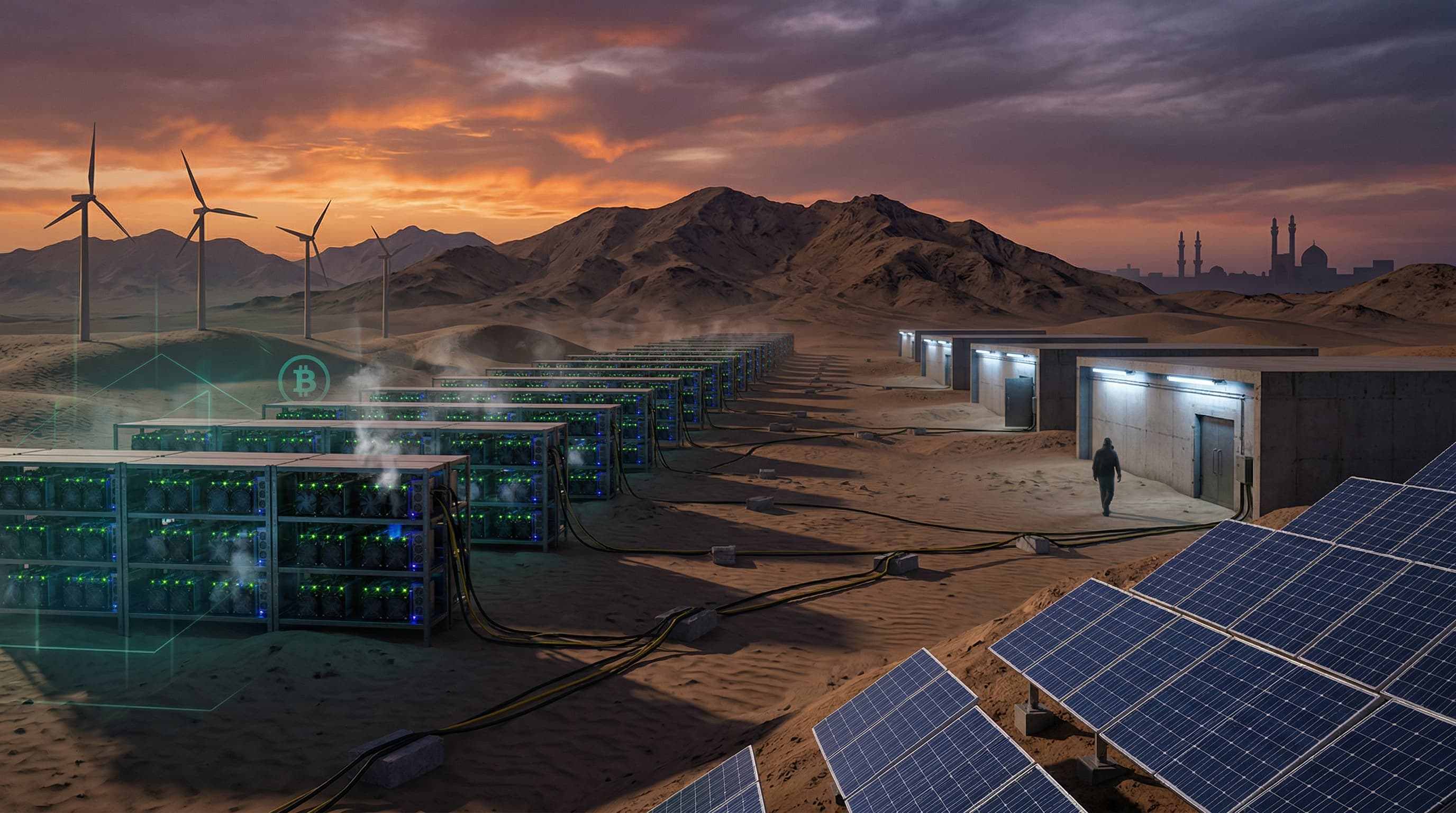
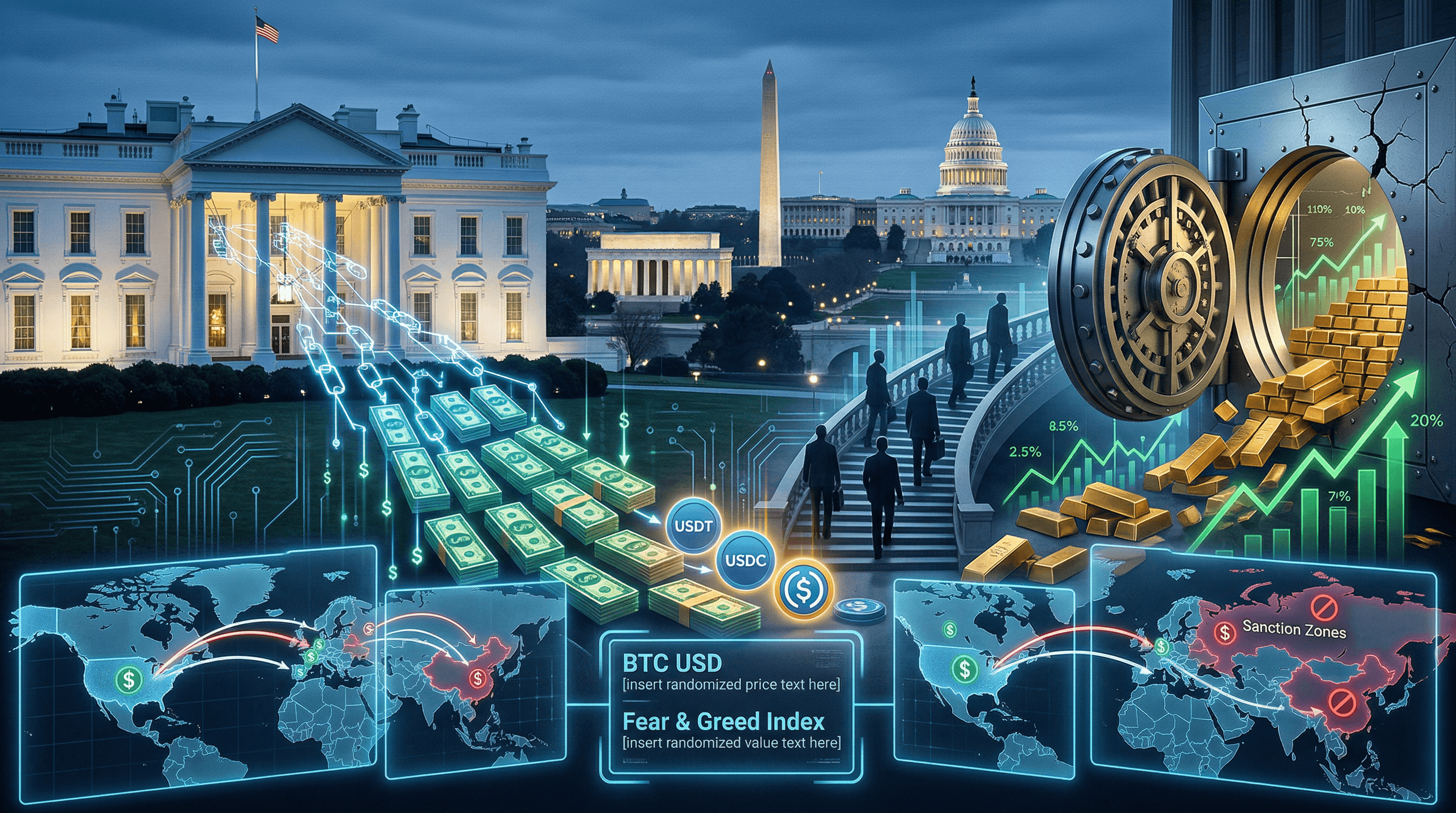
Iran imposed a $1 per barrel Hormuz crypto toll on April 10, 2026, for all oil transiting the Strait of Hormuz. Tehran requires cryptocurrency payments. The policy jolted energy markets and propelled digital assets higher.
The Strait handled 20.9 million barrels per day in Q4 2024 (U.S. Energy Information Administration, seasonally unadjusted). Current volumes imply $20.9 million daily toll revenue. Cryptocurrencies bypass U.S. sanctions by avoiding SWIFT and USD clearing systems.
Bitcoin surged 2.5% to $72,512 USD by 14:00 UTC on April 10 (CoinMarketCap). Ethereum climbed 2.7% to $2,225.91 USD. CNN Fear & Greed Index fell to 16, indicating extreme fear.
Geopolitical Move Challenges Dollar Dominance
Iran cites Western sanctions and asserts territorial sovereignty. Approved assets include Bitcoin and USDT stablecoins. The Islamic Revolutionary Guard Corps enforces compliance through vessel inspections or passage delays.
Tehran counters frozen foreign reserves exceeding $100 billion USD (IMF estimates, 2025). Goldman Sachs projects 5-10% oil price increases from toll costs, passed to consumers. Brent crude futures rose 3.2% to $85.40 USD per barrel intraday on ICE Futures Europe (Bloomberg Terminal).
Blockchain supports micropayments; AI-driven smart contracts automate toll collection, eliminating intermediaries.
Crypto Markets Surge on AI Trading
High-frequency AI algorithms parsed news sentiment, driving 40% higher trading volumes on Binance and Coinbase (Kaiko data, April 10). AI hedge funds frontrun volatility signals.
Renaissance Technologies' machine learning models anticipated risk; funds rotated into oil ETFs like USO within minutes of the announcement.
DeFi platforms leverage Chainlink AI oracles for real-time Brent prices, triggering smart contract settlements as tankers exit the Strait.
AI Powers Blockchain Energy Payments
Iran integrates AI-optimized blockchains for toll verification. Neural networks detect fraud and prevent double-spends amid 20 million daily barrel flows.
Ethereum Layer-2 networks like Optimism process 100,000 transactions per second for micropayments. ConsenSys reports AI fraud detection reduces risks by 70%.
Central banks assess spillovers. The Federal Reserve models crypto transmission to inflation; ECB evaluates stablecoin runs under MiCA rules.
Saudi Aramco reroutes 500,000 barrels daily through the Red Sea, hiking transport costs 15% (Vortexa tanker tracking, April 10).
Supply Disruptions Hit Global Chains
Refineries pay premiums; Asian importers like India bid 5% above spot for cargoes. WTI crude reached $81.20 USD on NYMEX (April 10 close).
JPMorgan's machine learning models forecast 2% GDP drag in Q2 2026 for oil importers like India (8% import reliance) and China (10% reliance, IMF data).
Insurers raised war risk premiums to 1% of cargo value (Lloyd's of London circular, April 10). IBM Watson AI optimizes tanker routes; Maersk deploys predictive analytics for delays.
Sanctions Evasion Reshapes Trade
Cryptocurrencies gain traction in commodities, extending Venezuela's petro-crypto precedents. U.S. Treasury targets OFAC listings, but decentralized ledgers resist shutdowns.
BlackRock's IBIT Bitcoin ETF saw $500 million USD inflows (April 10, ETF.com). LunarCrush AI sentiment analysis shows 65% bullish crypto readings.
USD index (DXY) dropped 0.8% to 104.20 (ICE data); Iranian rial gains 2% on crypto inflows (Bloomberg FX).
Central Banks Counter Hormuz Crypto Toll
China's People's Bank pilots digital yuan for 1 million barrels monthly (Xinhua, April 10), with AI verifying cross-border flows.
Federal Reserve Chair Jerome Powell highlighted volatility contagion in April 10 congressional testimony. EU MiCA tests crypto toll compliance.
CME Group oil options volumes tripled as AI hedges deploy (CME data). Traders price 15% Brent upside to $90 USD (Two Sigma models).
Markets Signal Sustained Volatility
Oil futures curve steepens to $4.50 USD contango (NYMEX); global inventories build at 3.2 billion barrels (IEA, March 2026 preliminary).
Bitcoin dominance reaches 52%; Ethereum DeFi TVL swells $10 billion USD (DefiLlama). U.S. Navy boosts patrols against Iranian drone surveillance.
Investors question ESG metrics as detours lift emissions 12% (Wood Mackenzie). Iran's Hormuz crypto toll converts petro-dollars to petro-crypto. AI cements the shift; markets prepare for prolonged turbulence.