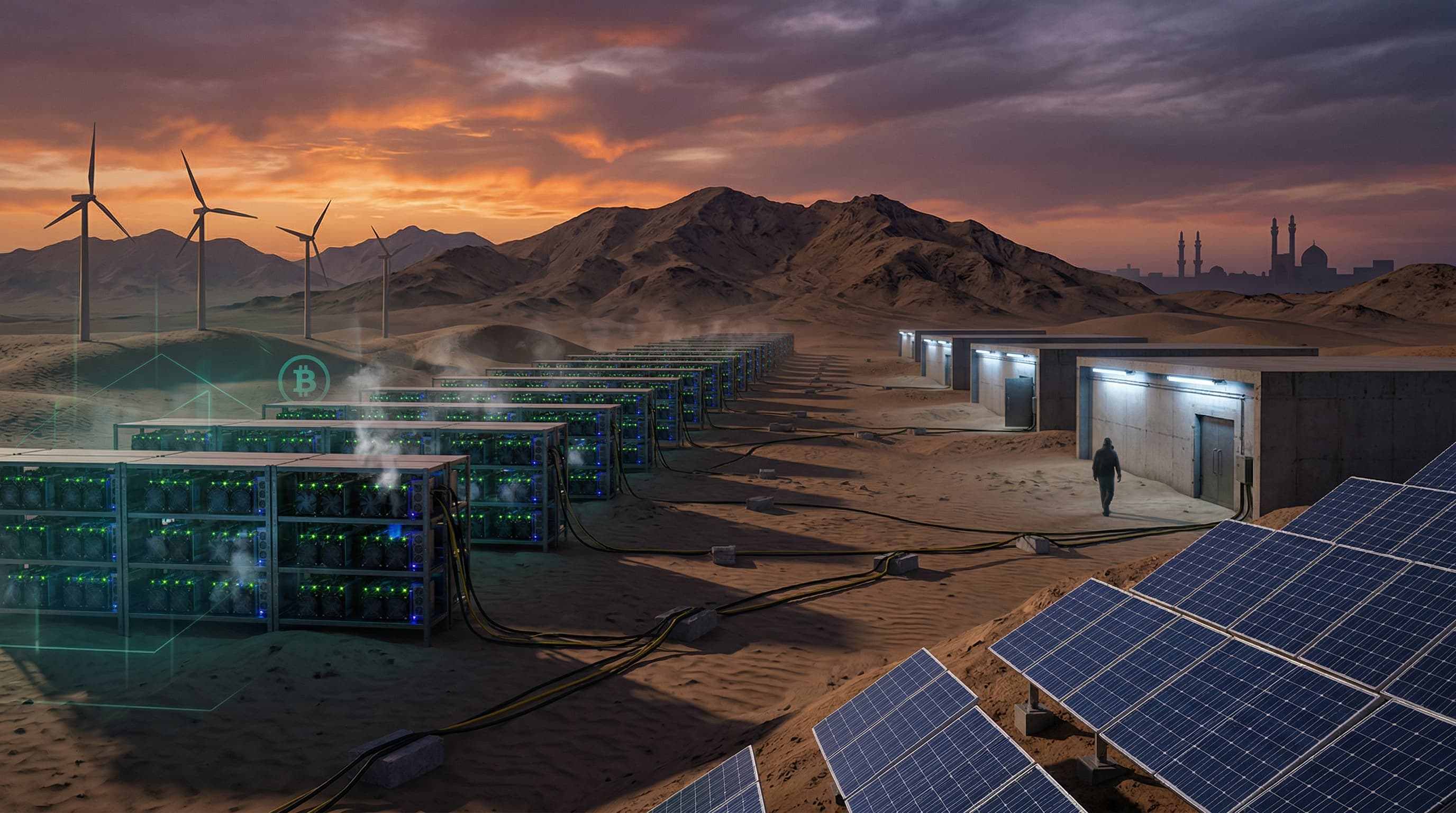
Iran crypto tolls hit tankers transiting the Strait of Hormuz starting April 10, 2026. The policy targets the shadow fleet exporting sanctioned oil. Brent crude surged 2.5 percent intraday in response, per Bloomberg data.
The Islamic Republic frames these tolls as maritime security fees. Tankers must pay in Bitcoin or stablecoins to avoid interception. United Against Nuclear Iran reports this integrates with Iran's broader crypto-financed trade network.
Shadow Fleet Dynamics Shift
Iran's ghost fleet numbers over 300 vessels, according to Lloyd's List Intelligence data from April 10, 2026. Operators disguise origins to ship 1.5 million barrels per day of crude. Crypto tolls streamline payments and bypass SWIFT exclusions.
Revenues fund military programs. Parsons & Co estimates annual shadow exports generate USD 20 billion. The Strait of Hormuz handles 20 percent of global seaborne oil trade, per U.S. Energy Information Administration data.
Insurers classify these routes as high-risk. Premiums rose 15 percent year-over-year, Lloyd's of London data shows. Crypto payments reduce traceability and complicate enforcement.
Immediate Market Reactions
Brent crude climbed to USD 86.20 per barrel by 1400 UTC on April 10, 2026, Reuters reports. West Texas Intermediate reached USD 81.75 per barrel, up 2.8 percent intraday. The S&P 500 Energy Index gained 1.2 percent.
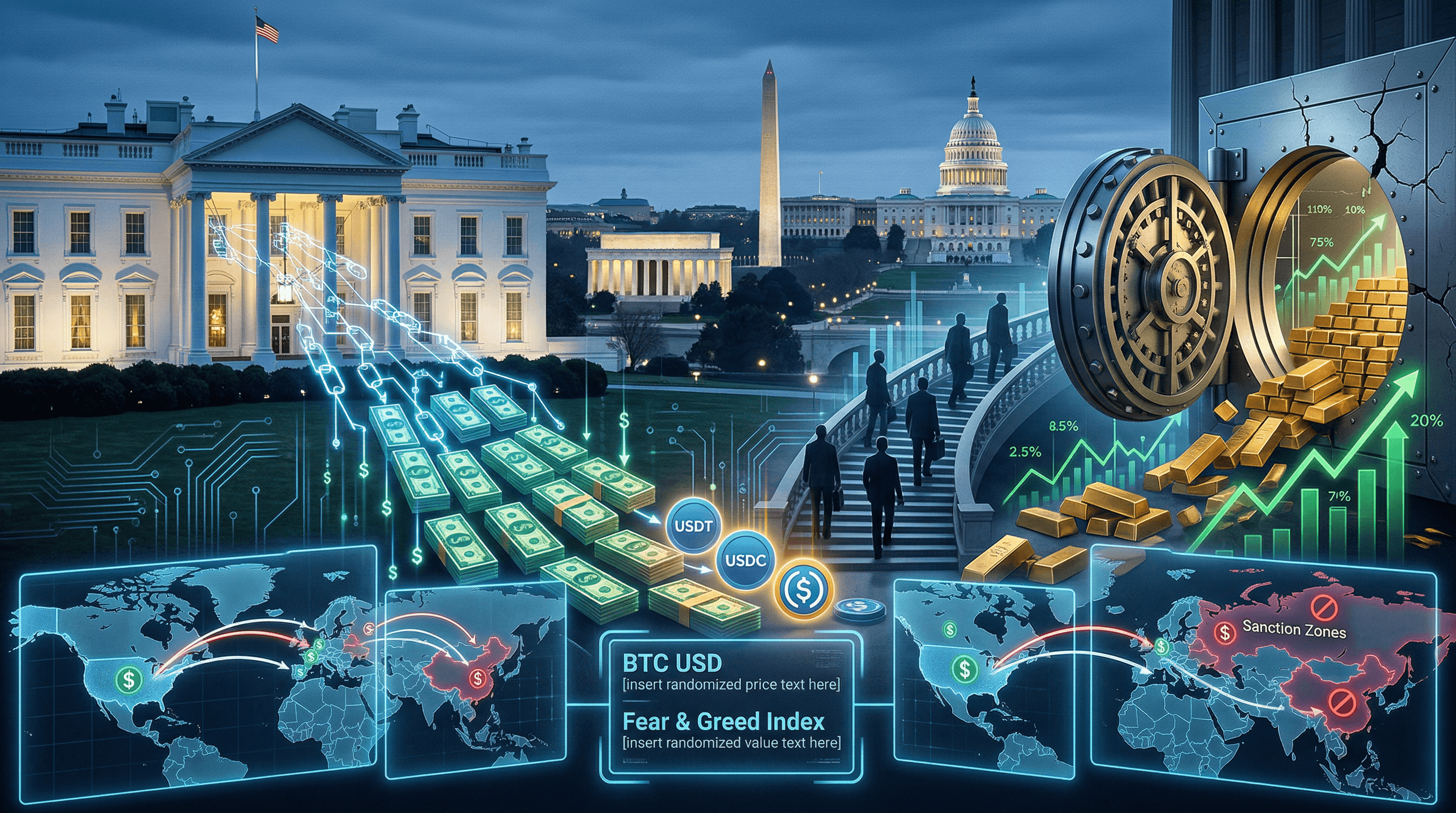
Bitcoin traded at USD 72,574, up 0.5 percent amid volatility. The Crypto Fear & Greed Index hit 16, signaling extreme fear, per Alternative.me. Ethereum stood at USD 2,227.77, up 0.4 percent.
Asian refiners face higher costs. China's independent refiners buy 500,000 barrels daily from Iran and now absorb tolls. Sinopec shares dipped 0.8 percent in Hong Kong trading.
Geopolitical Ramifications Unfold
The U.S. Treasury flagged Iran's crypto tolls as illicit finance escalation on April 10, 2026. Sanctions coordinator Brian Nelson vowed secondary measures against payers. European diplomats called for coordinated naval patrols.
Iran's Revolutionary Guards enforce tolls via speedboats. A Greek-owned tanker paid USD 500,000 in USDT last week, per Chainalysis blockchain analysis. Shadow fleet compliance rates exceed 70 percent.
Russia studies similar models for Black Sea routes, Reuters sources indicate. Crypto tolls spread use in contested chokepoints and challenge Western dominance.
Supply Chain Pressures Mount
Shipping firms reroute around Hormuz where possible. Costs add USD 2 per barrel for Asia-bound cargoes, Poten & Partners calculates. LNG carriers report 10 percent fee hikes.
OPEC+ holds production steady at 41.9 million barrels per day. Saudi Arabia boosts output by 200,000 barrels daily to offset risks, per its April 10 statement. The UAE follows with 100,000 barrels daily.
European gas prices spiked 3 percent to EUR 32 per megawatt-hour on the TTF hub. Intercontinental Exchange data links this to broader Middle East tensions.
Financial Sector Implications
Banks tighten due diligence on crypto desks. JPMorgan analysts predict a persistent 5 percent oil risk premium. The USD strengthened 0.3 percent against the EUR.
Hedge funds build long positions in energy ETFs. United States Oil Fund (USO) saw USD 150 million inflows on April 10, ETF.com tracks. Yield curves steepened as inflation expectations rose.
Regulators eye crypto exchanges. The Financial Action Task Force updates guidance on virtual asset service providers handling state-linked flows.
Corporate Strategies Adapt
ExxonMobil accelerates Permian output ramp-up. CEO Darren Woods cited Hormuz risks in the earnings call. Shell diversifies to Australian LNG, targeting a 20 percent portfolio shift by 2027.
Tehran courts Indian buyers with discounts. Reliance Industries imports rose 15 percent month-over-month, per Kpler shipping data. This sustains demand despite U.S. pressure.
Insurtech firms develop blockchain verification tools. Skyline Robotics partners with Vitol for real-time tanker tracking.
Forward Outlook: Watchpoints Ahead
Monitor U.S. congressional hearings on April 15, 2026. New sanctions could target 50 vessels. Oil inventories build if OPEC+ floods markets.
Bitcoin volatility persists above USD 70,000. Central banks like the People's Bank of China scrutinize cross-border crypto flows. Energy equities offer hedges against escalation.
Iran's crypto tolls test global resolve. Markets price in 10 percent Hormuz disruption probability, per Goldman Sachs models. Watch tanker traffic volumes for compliance signals.