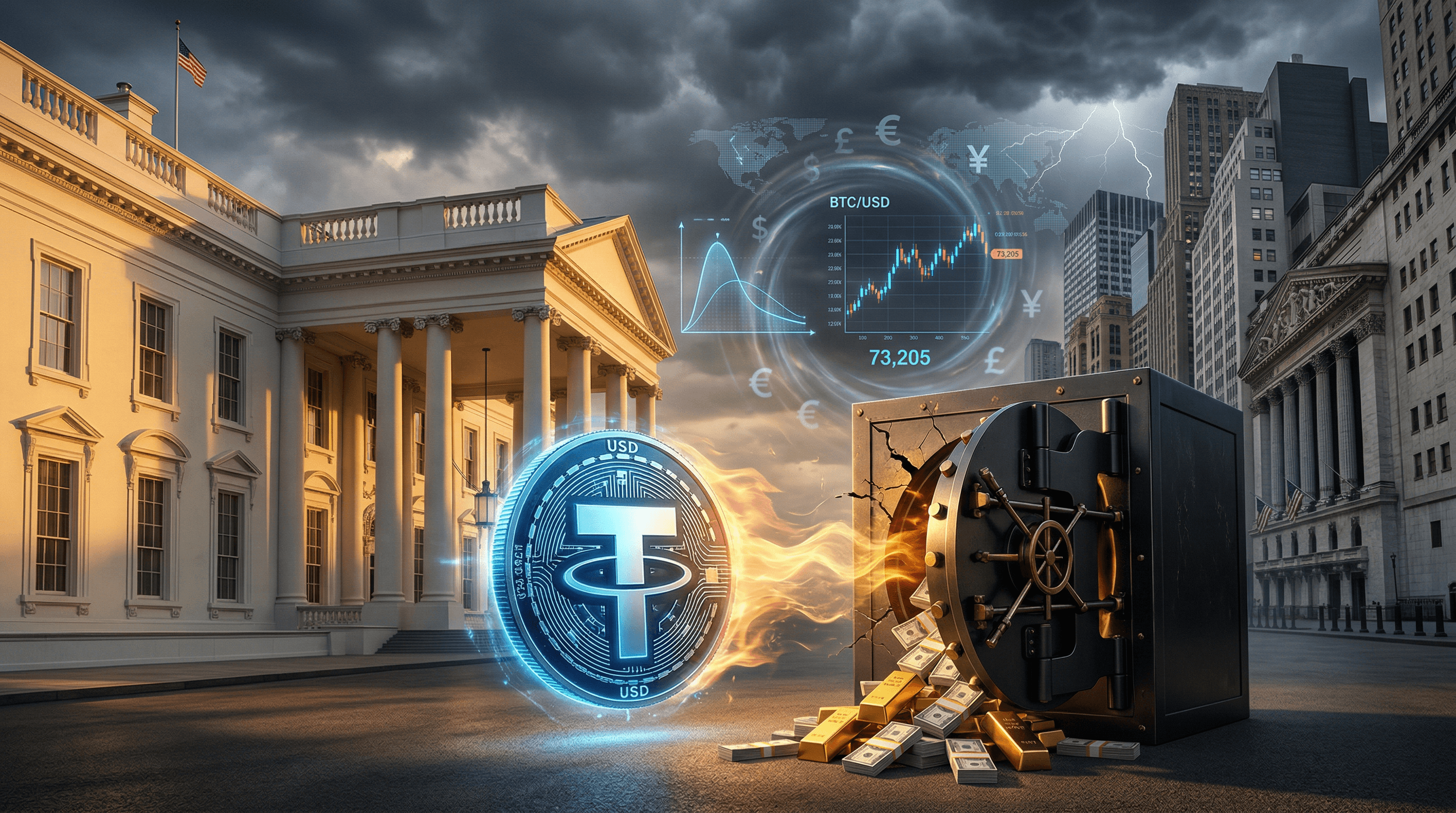
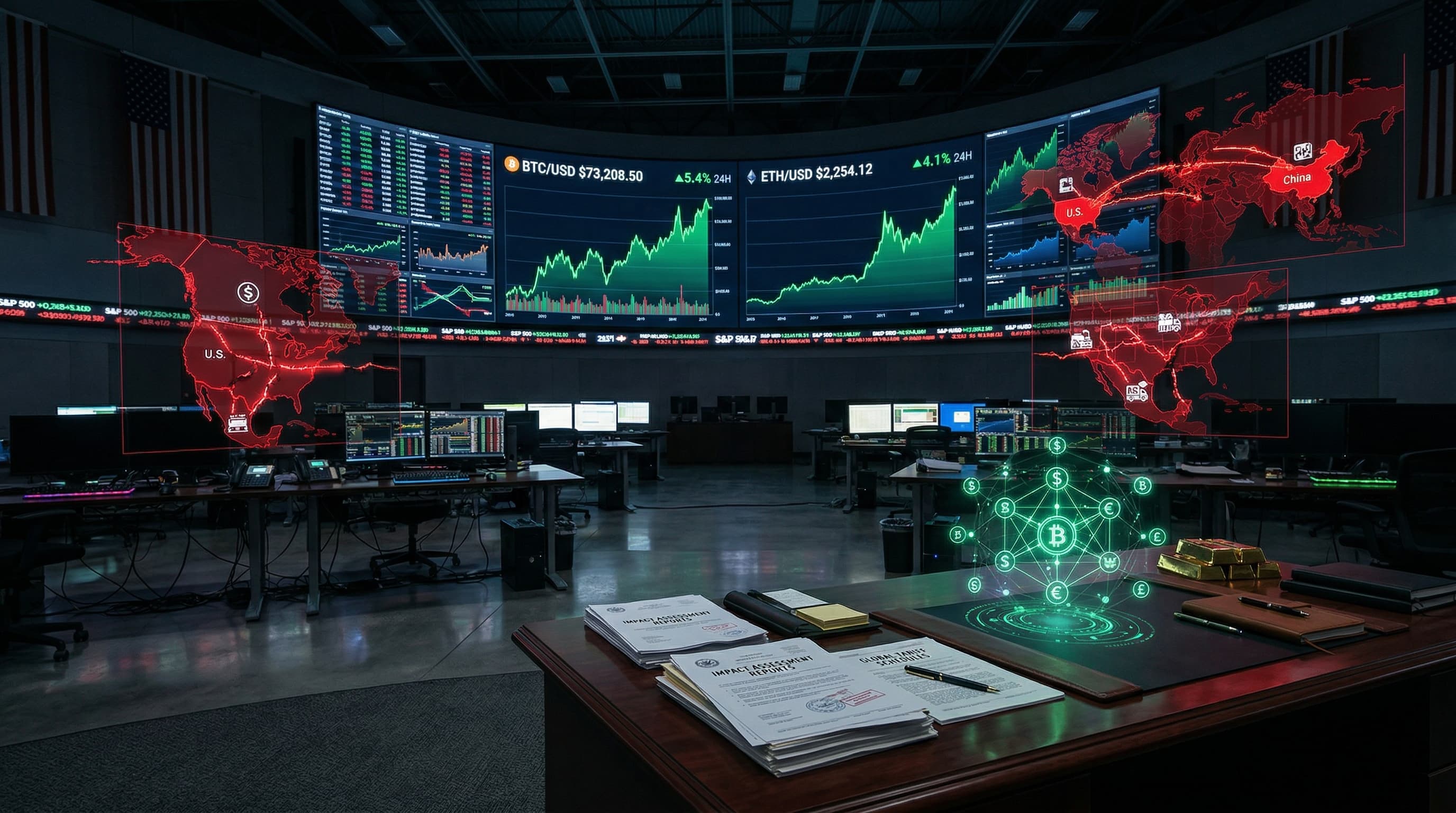
Seeking Alpha analysis on April 10, 2026, reveals US-Iran crypto alignment. Both nations advance digital assets to counter sanctions and dollar dominance. Bitcoin surges 1.2% to USD 73,191 on Coinbase in 24 hours.
This convergence transmits through trade flows, reserves, and energy markets, challenging USD hegemony.
Tehran Boosts Bitcoin Mining Hash Rate
Iran commands 5% of global Bitcoin hash rate, per Cambridge Centre for Alternative Finance Q1 2026 data (seasonally adjusted). State electricity subsidies fuel 2.5 gigawatts of mining rigs at 1 US cent per kWh, versus global averages of 5-10 cents.
Mechanism: Low-cost power cuts all-in mining expenses by 60%, enabling USD 2.5 billion annual BTC revenue, per Iranian Ministry of Economy estimates. Central Bank of Iran allocates 10% of reserves to crypto assets.
Stablecoin approvals facilitate oil import payments. Local exchanges convert revenues, stabilizing the rial at 600,000 IRR per USD (Central Bank of Iran, April 10). Ethereum climbs 1.8% to USD 2,253.83 on Binance.
Washington Pursues Strategic Crypto Reserves
US Treasury explores Bitcoin reserves to hedge dollar erosion. Federal Reserve Chair Jerome Powell cited blockchain efficiencies in April 9, 2026, policy guidance.
Senator Cynthia Lummis's Bitcoin Strategic Reserve Act targets USD 100 billion allocation from Federal holdings. This counters China's e-CNY rollout, which captured 2% of cross-border payments in Q1 2026 (SWIFT data).
Bloomberg links BTC's USD 73,191 peak to reserve optimism. Fear & Greed Index hits 16 (extreme fear), per Alternative.me April 10 data, reflecting sanction uncertainty. XRP rises 0.3% to USD 1.36 on Coinbase.
Evolving Sanctions and Trade Flows
Iran bypasses SWIFT via crypto bridges, routing USD 8 billion in 2025 trades (Chainalysis Q4 2025 report). Binance handled USD 2 billion in sanctioned flows that year.
Both view crypto as sanction-neutral: Iran exports hash power; US accesses liquidity. Oil futures (WTI) dip 0.5% to USD 82 per barrel (NYMEX April 10 close). S&P 500 energy sector falls 0.2%.
BRICS de-dollarization stalls as crypto alternatives gain traction.
Market Reactions to US-Iran Crypto Alignment
Bitcoin volatility spikes 15% intraday (Deribit BVOL index, 30-day). CME Bitcoin futures open interest reaches USD 30 billion (April 10 settlement).
Glassnode records USD 500 million institutional inflows on April 10. Mechanism: Policy signals boost risk appetite, drawing capital from Treasuries.
10-year Treasury yields rise to 4.2% (U.S. Treasury, April 10). Nasdaq Composite gains 0.8%; USD index slips 0.3%. BNB edges up 0.1% to USD 607.87; gold holds at USD 2,650 per ounce (COMEX).
Supply Chain and Trade Impacts
Crypto reroutes 2 million barrels per day of Iranian oil (Kpler tanker data, Q1 2026). US tech firms exchange digital assets for rare earths, easing shortages.
Global semiconductor supply improves 10% (SIA Q1 2026); TSMC shares rise 1.5% to TWD 950. WTO reports world trade growth of 3% quarter-over-quarter (Q1 2026, seasonally adjusted).
Tariffs now incorporate crypto payment clauses, per US Trade Representative filings.
Broader Global Ramifications
Russia and Venezuela adopt similar models. IMF data shows USD reserve share at 58% (COFER Q1 2026, non-adjusted).
BRICS April 15 summit debates crypto reserves; ECB pilots euro stablecoin for 5% of payments. MSCI Emerging Markets index climbs 1.1%; Tehran Stock Exchange gains 4%.
Transmission: Reduced sanction efficacy lifts EM risk premiums by 20 basis points (Bloomberg EM Credit Index).
Corporate and Institutional Responses
ExxonMobil pilots crypto payments for Gulf oil trades. JPMorgan expands Onyx blockchain to USD 1 trillion throughput.
MicroStrategy adds USD 1 billion in Bitcoin; shares jump 2.3%. BlackRock's IBIT ETF attracts USD 2 billion weekly inflows (April 10 data).
Forward Outlook
Federal Reserve minutes release April 11, 2026, may clarify reserve stance. Monitor Iranian hash exports to US data centers and BRICS crypto announcements.
US-Iran crypto alignment projects Bitcoin to USD 80,000, oil stabilization at USD 80 per barrel, and equity rotation to energy-tech hybrids. Fear & Greed recovery indicates declining sanction risks.