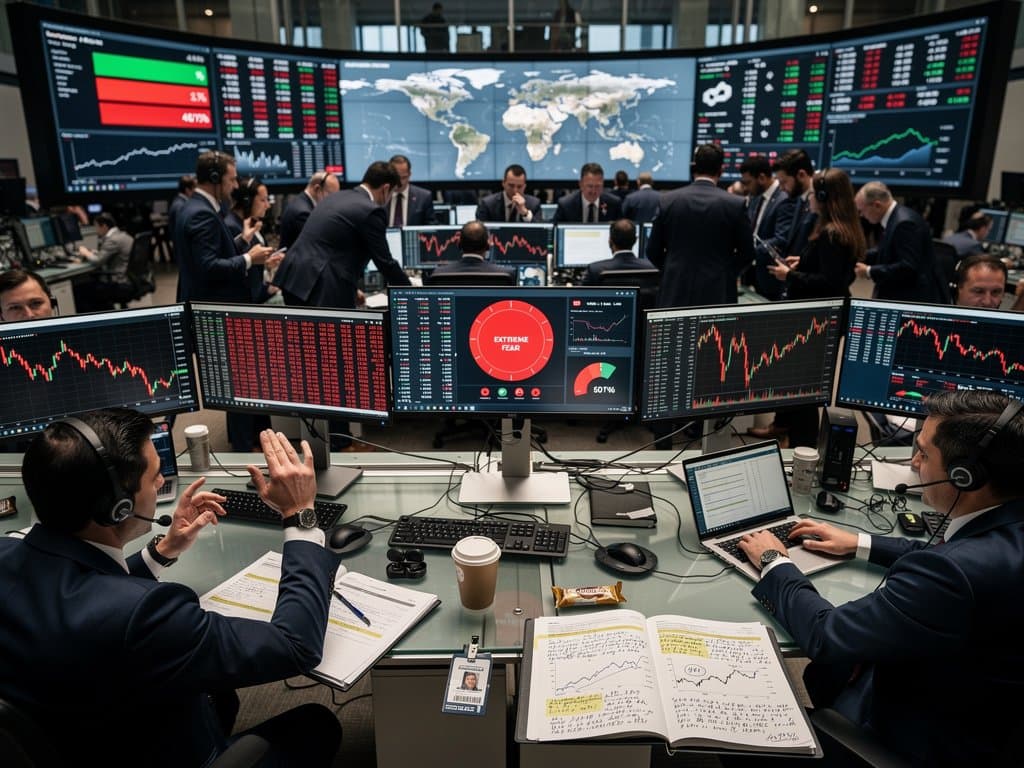
- Bitcoin trades at $75,021, down 1.8 percent amid Sberbank's crypto plans.
- Fear & Greed Index at 27 signals market fear from Russian bank entry.
- Ethereum at $2,309.16 with $278.8B cap faces geopolitical trading shifts.
Russia's largest bank announces preparations to offer cryptocurrency trading services. Sberbank targets institutional clients amid tightening Western sanctions. Bitcoin trades at $75,021, down 1.8 percent, with market capitalization at $1.5018 trillion according to CoinGecko data. Ethereum follows at $2,309.16, down 2.3 percent, market cap $278.8 billion. The Fear & Greed Index sits at 27, signaling fear across crypto markets.
Sberbank's move integrates crypto into Russia's financial system. This development accelerates de-dollarization efforts. XRP holds at $1.42, down 1.4 percent, market cap $87.6 billion, while Solana slips to $84.59, down 3.0 percent. Stablecoins like USDT maintain $1.00 peg, market cap $186.7 billion. Global markets react with caution as Russian entry challenges traditional forex dominance.
How Does Sberbank's Crypto Entry Affect Global Markets?
Sberbank launches crypto trading desks for ruble-to-Bitcoin conversions. Institutional traders gain direct access without offshore exchanges. Bitcoin's $75,021 price reflects broader risk-off sentiment, per CoinGecko. Ethereum's $2,309.16 level tests key support amid network upgrades.
Russian clients bypass SWIFT restrictions through blockchain rails. This shift pressures USD stablecoin volumes. USDT market cap leads at $186.7 billion, USDC at $78.4 billion. BNB trades at $619.84, down 2.2 percent, signaling exchange token caution. Markets anticipate higher Russian crypto inflows boosting liquidity.
Supply chain financiers monitor ruble-crypto pairs closely. Commodities traders hedge via Bitcoin amid oil volatility. Sberbank's platform prioritizes compliance under Russia's digital asset laws. Fear & Greed at 27 underscores short-term volatility risks.
Why Are Bitcoin and Ethereum Prices Reacting to Russia Bank Crypto Trading?
Bitcoin drops 1.8 percent to $75,021 as geopolitical news dominates. Russian institutional demand could stabilize prices long-term. Ethereum's 2.3 percent decline to $2,309.16 ties to broader altcoin weakness. Solana falls 3.0 percent to $84.59, market cap $48.7 billion.
CoinGecko tracks these shifts in real-time. On-chain metrics show increased Russian wallet activity. XRP at $1.42 gains appeal for cross-border payments, evading sanctions. TRX bucks trend, up 1.8 percent to $0.33, market cap $31.6 billion.
Macro investors weigh ETF flows against emerging market entries. BlackRock's Bitcoin ETFs face competition from state-backed platforms. Yield curves invert further as central banks respond. Sberbank's entry signals crypto maturation beyond retail speculation.
- Asset: BTC · Price (USD): 75,021.00 · Change (%): -1.8 · Market Cap (B): 1,501.8
- Asset: ETH · Price (USD): 2,309.16 · Change (%): -2.3 · Market Cap (B): 278.8
- Asset: XRP · Price (USD): 1.42 · Change (%): -1.4 · Market Cap (B): 87.6
- Asset: SOL · Price (USD): 84.59 · Change (%): -3.0 · Market Cap (B): 48.7
What Does Russia Bank Crypto Trading Mean for Geopolitics?
Sberbank circumvents USD sanctions via crypto infrastructure. Russia's central bank endorses tokenized assets for trade settlements. This parallels BRICS digital currency initiatives. Bitcoin's 21 million supply cap appeals for reserve diversification.
Reuters reports on prior Sberbank crypto ambitions. European banks like Deutsche Bank explore similar services under MiCA rules, effective January 2026. US Treasury monitors capital flows into Russian platforms.
Commodity exporters pivot to crypto invoicing. Gold-backed tokens compete with Bitcoin reserves. Fear & Greed Index at 27 reflects sanction escalation fears. Ethereum's proof-of-stake model suits institutional custody.
Supply Chain and Forex Implications of Sberbank's Move
Russian exporters settle energy deals in Bitcoin equivalents. Forex traders short USD/RUB amid crypto ramps. Sberbank integrates with Mir payment system for seamless conversions. Dogecoin slips 3.2 percent to $0.09, market cap $14.4 billion, highlighting meme coin risks.
Global funds rebalance emerging market exposure. JPMorgan analysts note crypto's role in parallel finance. Stablecoin dominance persists, USDT at $186.7 billion. Sberbank's client base exceeds 100 million, amplifying volume potential.
CoinDesk coverage details regulatory green lights. Central bank forward guidance prioritizes stability. Markets watch ruble volatility against BTC pairs.
Institutional adoption accelerates in sanctioned economies. Ethereum layer-2 solutions handle Russian throughput. Bitcoin's April 2024 halving aftermath lingers in price discovery. Sberbank tests live trading in pilot phase.
Forward guidance from Moscow signals full rollout by mid-year. Bitcoin's $75,021 level separates bullish breakout from deeper correction.
Frequently Asked Questions
What services will Russia bank crypto trading offer?
Sberbank plans ruble-to-Bitcoin trading for institutions. Platforms integrate with national payment systems. Compliance follows Russia's digital asset framework.
How does Russia largest bank crypto trading impact Bitcoin?
Bitcoin trades at $75,021 down 1.8 percent on announcement. Russian inflows could boost liquidity. Fear & Greed at 27 reflects caution.
Why is Sberbank entering cryptocurrency markets now?
Sanctions drive de-dollarization via blockchain. Central bank approves tokenized settlements. Ethereum at $2,309.16 suits custody needs.
What geopolitical risks from Russia bank crypto trading?
Bypasses SWIFT for trade finance. Challenges USD stablecoins like USDT at $186.7B cap. BRICS aligns on digital reserves.