The Minnesota Senate approved the Minnesota crypto kiosk ban bill on April 12, 2026, amid scam fears. Lawmakers cited retail complaints. The measure heads to the House.
KARE 11 reports kiosks enable quick, anonymous crypto buys with high fees. State Attorney General Keith Ellison endorsed it, citing 1,200 consumer complaints since 2023.
Minnesota Crypto Kiosk Ban Targets Physical Access
The bill prohibits crypto kiosk installation and operation in public spaces. Operators face USD 25,000 fines per violation, per the legislation text. Federally chartered banks gain exemptions.
Proponents claim kiosks enable fraud. Scammers promise easy Bitcoin purchases. Users pay 20-30% fees unknowingly, per North American Bitcoin Conference 2025 report.
Minnesota aligns with New York and California restrictions. New York's BitLicense limits kiosks. California requires fee disclosures.
Scam Data Drives State Action
Attorney General Ellison testified on April 11, 2026. Minnesota recorded USD 5.2 million in kiosk scam losses in 2025. Victims averaged 62 years old.
Federal Trade Commission data shows crypto scams cost Americans USD 1.6 billion in 2025. Kiosks accounted for 15% of incidents, per FTC Q4 2025 report.
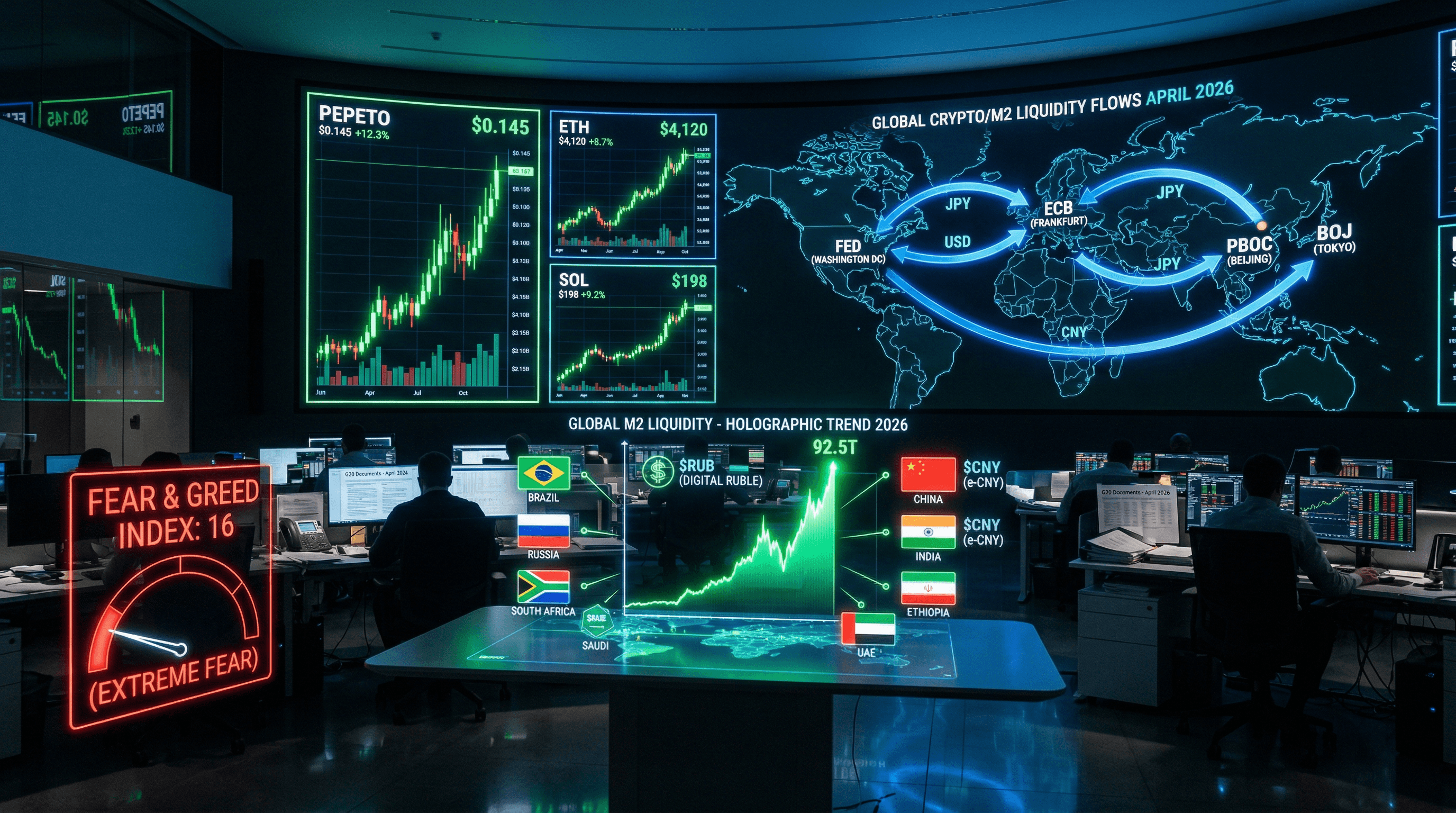
State actions reflect market fear. The Fear & Greed Index hit 16 on April 12, 2026, per Alternative.me.
Markets Show Resilience to Ban
Bitcoin traded at USD 73,014, up 0.2% on April 12, 2026, per CoinMarketCap. Ether reached USD 2,284.67, gaining 1.9%. XRP fell 0.1% to USD 1.35. BNB rose 0.2% to USD 606.96. USDT held at USD 1.00.
Traders dismiss state bans as noise. The crypto market cap hit USD 2.1 trillion, per Bloomberg. Institutional inflows totaled USD 15 billion in Q1 2026, per CoinShares.
Kiosks processed USD 18 billion in 2025 transactions, per Chainalysis. Bans curb retail onboarding and slow adoption.
US Regulatory Fragmentation Raises Costs
State divergence creates patchwork rules. Texas licenses kiosks. Florida imposes no statewide ban.
Firms spend USD 500 million yearly on state compliance, per Deloitte. Coinbase lobbies for federal preemption.
SEC Chair Gary Gensler testified on April 10, 2026, urging uniform rules for investor protection. CFTC oversees derivatives, creating dual regimes. A 2025 GAO report cites USD 10 billion in annual fragmentation costs.
Crypto's Macroeconomic Implications
Crypto aids global remittances. Stablecoins save USD 30 billion yearly, per World Bank 2025 data. Emerging markets use Bitcoin as inflation hedge.
US splits deter institutions. BlackRock's Bitcoin ETF holds USD 45 billion AUM as of Q1 2026.
Geopolitics heightens risks. China's 2021 mining ban shifted 50% hash rate offshore. US fragmentation risks ceding to EU MiCA, standardizing USD 1 trillion euro crypto volume since 2024.
Corporate and Supply Chain Effects
Kiosk operator Bitcoin Depot shares dropped 3% to USD 2.15 on April 12, 2026. Q1 revenue fell 12%, per earnings call.
Banks test alternatives. JPMorgan pilots blockchain deposits. Corporate treasuries hold USD 20 billion in crypto, per Fidelity Digital Assets Q1 2026 survey.
Crypto payments settle cross-border trades 40% faster, per Visa 2025 data. State bans disrupt USD 500 billion annual volumes for SMEs.
Global Comparisons Highlight US Risks
Singapore licenses kiosks, hitting USD 4 billion transactions in 2025. UAE's VARA boosts Dubai volumes.
IMF April 2026 report warns US fragmentation erodes dollar dominance. Crypto fills gaps in USD 100 trillion forex market.
Central banks monitor. Federal Reserve's 2026 balance sheet proxies USD 1 trillion digital asset exposure. ECB pilots euro stablecoin. Bank of England consults on sterling versions. US disunity cedes leadership.
Forward-Looking Outlook
Minnesota House votes next week. Governor Tim Walz supports passage by April 30, 2026.
Federal action looms. House Financial Services debates preemption April 20. Senate Banking follows May 1.
Crypto adapts via P2P and DEX, up 25% YoY per Dune Analytics. SEC reviews five altcoin ETFs.
The Minnesota crypto kiosk ban tests resilience. Federal uniformity emerges as key for global integration. Bitcoin eyes USD 80,000 by Q2 end, per Standard Chartered.