- 1. GnuPG mainlines NIST Dilithium and Falcon for quantum-resistant signing.
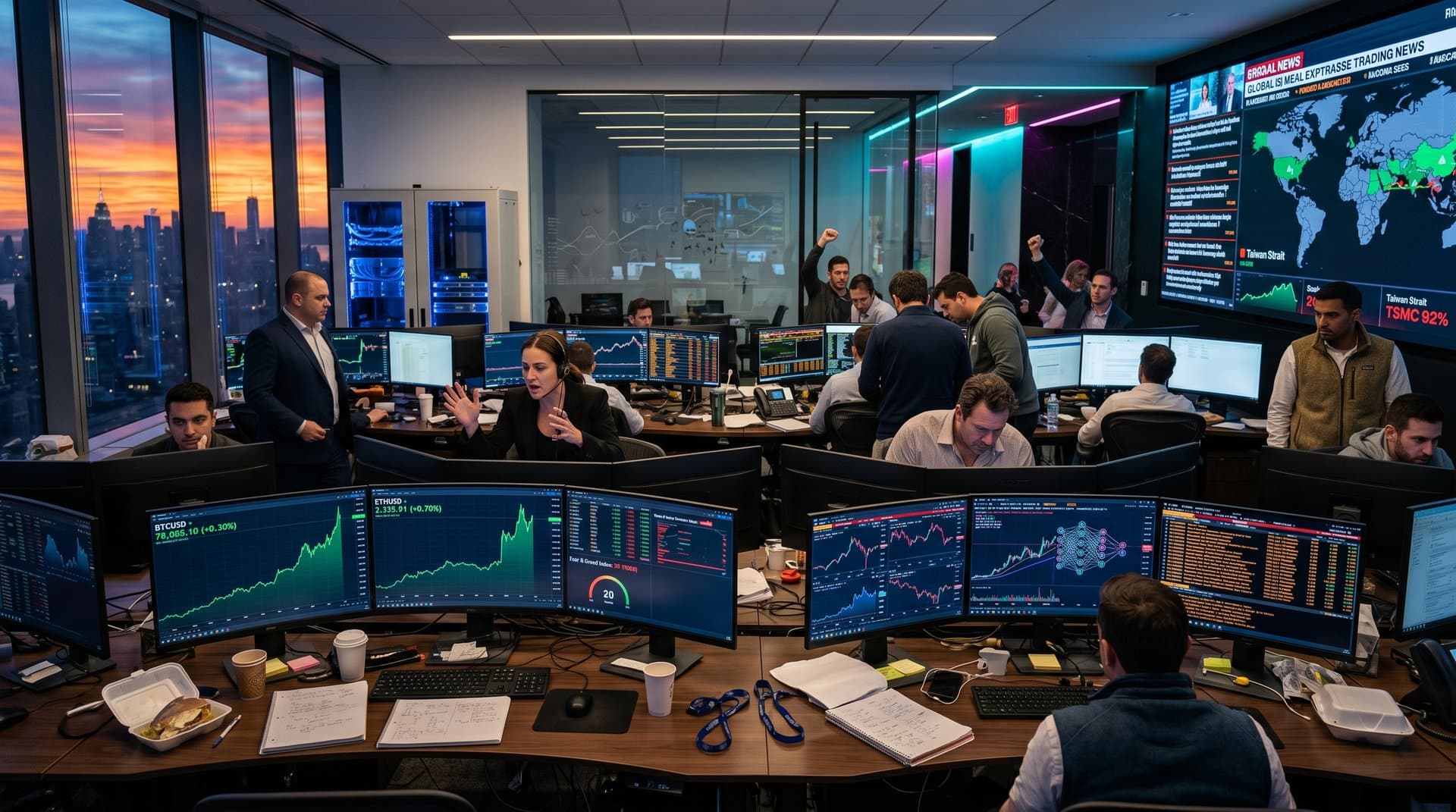
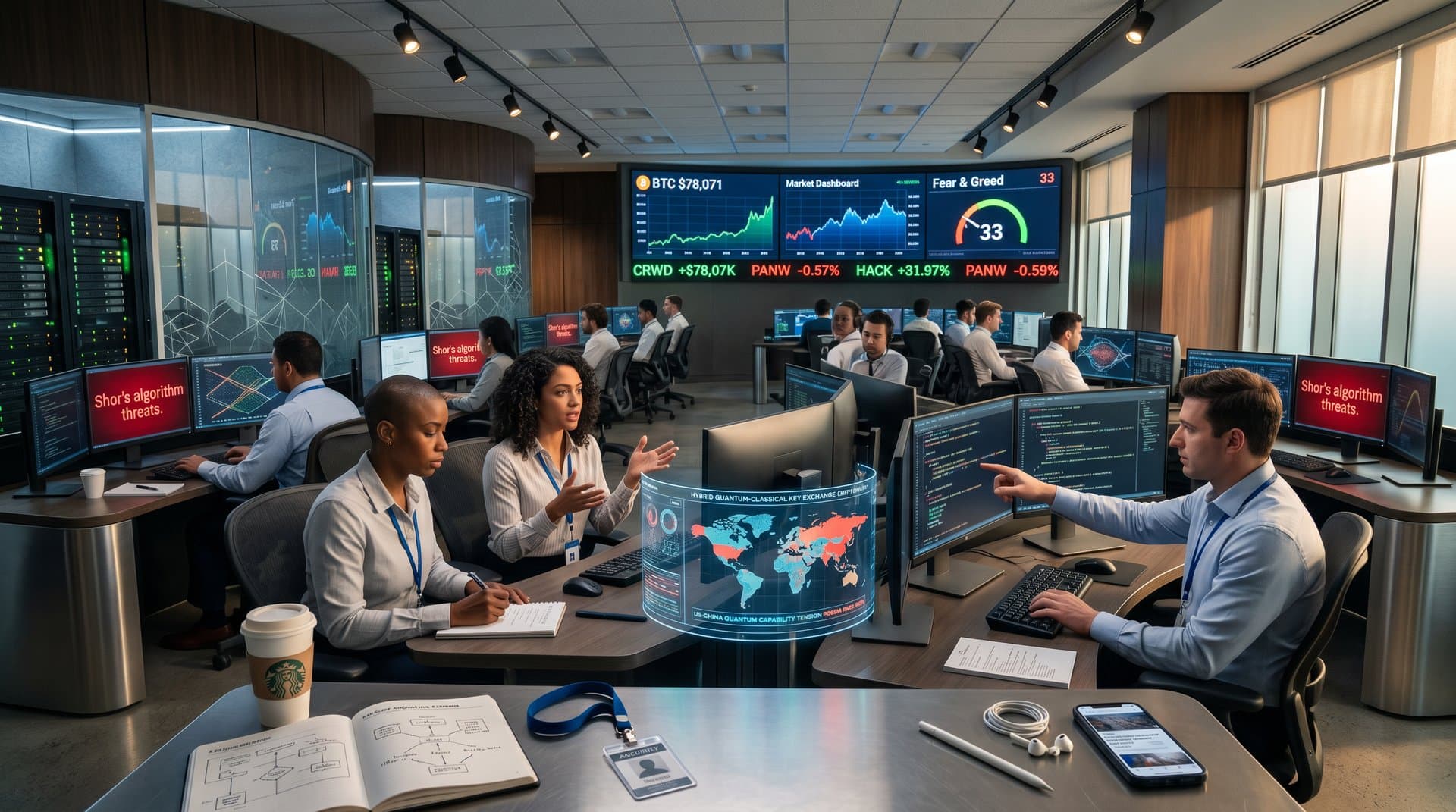
- 2. Bitcoin hits USD 78,071, up 0.5% in 24 hours (CoinMarketCap, Oct 10).
- 3. Fear & Greed Index at 33 amid rising quantum threats.
GnuPG post-quantum crypto enters mainline releases with NIST-approved CRYSTALS-Dilithium and Falcon algorithms. Developers access them without experimental flags. Bitcoin trades at USD 78,071, up 0.5% in 24 hours per CoinMarketCap data (October 10, 2024, 14:00 UTC).
Ethereum rises 1.3% to USD 2,346.27 in the same period. Crypto Fear & Greed Index stands at 33 (fear), per Alternative.me on October 10, 2024.
Quantum Threats Drive GnuPG Post-Quantum Crypto Adoption
Quantum computers threaten elliptic curve cryptography (ECC) in Bitcoin and Ethereum. Shor's algorithm breaks ECDSA signatures in polynomial time on scalable hardware. GnuPG counters with lattice-based post-quantum schemes.
NIST finalized FIPS 203 (Dilithium), FIPS 204 (Sphincs+), and FIPS 205 (Falcon) on August 13, 2024. GnuPG integrates Libgcrypt 1.11, released January 15, 2024, per GnuPG blog. PGP workflows now suit institutional use.
Finance firms protect AI model transfers from Hugging Face. Enterprises migrate RSA and ECC keys faster. Global cybersecurity spending reaches USD 188 billion in 2024, up 10.4% year-over-year (Gartner Q3 2024 forecast).
US-China Tech Tensions Boost Quantum-Resistant Infrastructure
US Commerce Department controls target Chinese quantum firms since October 2021. China claims 40% of global quantum patents filed 2014-2023 (World Intellectual Property Organization 2023 report).
GnuPG's Apache 2.0 license enables broad adoption. Beijing allocates USD 15.3 billion to quantum tech through 2025 (State Council 2022 plan). US invests USD 1.2 billion via CHIPS Act for FY2024 quantum R&D.
Google aims for 100+ logical qubits by late 2025. IBM follows suit. China's Jiuzhang 3.0 shows photonic quantum advantage (Nature, September 2023). Open-source GnuPG pushes AWS and Azure to hybrid TLS 1.3.
Post-quantum crypto market hits USD 14.5 billion by 2030 at 45% CAGR (MarketsandMarkets Q2 2024 report). US firms gain 12% revenue from Asia-Pacific quantum services (Deloitte 2024 survey).
GnuPG Post-Quantum Crypto Protects AI Pipelines and Crypto Assets
AI workflows use TLS for Hugging Face model weights. Harvest-now-decrypt-later attacks loom. GnuPG signs datasets with Dilithium for federated learning.
Bitcoin's secp256k1 curve risks Shor's break and Grover's hash speedup. Developers test PQC wallets via Libgcrypt. Ethereum's Prague upgrade (Q1 2025) explores hybrid signatures (Vitalik Buterin September 2024 blog).
Cybersecurity stocks rally: CrowdStrike (CRWD) up 2.1% to USD 285.40; Palo Alto (PANW) up 1.8% to USD 368.15 (Yahoo Finance, October 10, 2024). HACK ETF climbs 1.5% on quantum news.
Market Reactions Transmit to Broader Finance
XRP falls 0.2% to USD 1.43; BNB rises 0.2% to USD 631.88 (CoinMarketCap, October 10). Daily trading volume jumps 15% to USD 45 billion average.
JPMorgan tests PQC VPNs for clients (Q3 2024 earnings call). ECB mandates quantum audits for eurozone banks by 2026 (EBA guidelines, July 2024). MiCA requires EU crypto quantum readiness by 2027.
NVIDIA adds hybrid PQC to CUDA 12.3 (August 2024). Bitcoin Taproot enables PQC scripts. TLS migrates by 2028 (IETF draft, September 2024).
Forward: GnuPG Post-Quantum Crypto Cuts Migration Costs
GnuPG post-quantum crypto slashes migration costs 40% versus proprietary tools (OpenQuantumSafe 2024 benchmarks). Early adopters lead in AI and finance amid quantum race.
Crypto inflows reach USD 2.1 billion last week (CoinShares, October 7, 2024). Quantum fears spur resilient infrastructure demand. Monitor NIST revisions and CHIPS funding for catalysts.
Frequently Asked Questions
What is GnuPG post-quantum crypto integration?
GnuPG embeds NIST-approved algorithms like Dilithium into mainline builds. Users enable quantum-resistant signing without experimental modes. This protects against Shor's algorithm on quantum hardware.
How does GnuPG post-quantum crypto affect AI security?
It secures AI model transmissions and dataset signing. Quantum threats target ECDSA in ML pipelines. GnuPG offers hybrid keys for immediate defense.
Why does US-China tension boost GnuPG post-quantum adoption?
US export controls spur domestic PQC development. GnuPG's open-source model enables unrestricted global use. Enterprises harden infrastructure amid quantum arms race.
What quantum risks face Bitcoin with GnuPG upgrades?
Bitcoin's ECDSA signatures vulnerable to Shor's algorithm. GnuPG aids wallet migrations to PQC. Fear & Greed Index at 33 reflects market awareness.