A Shocking Electoral Upset
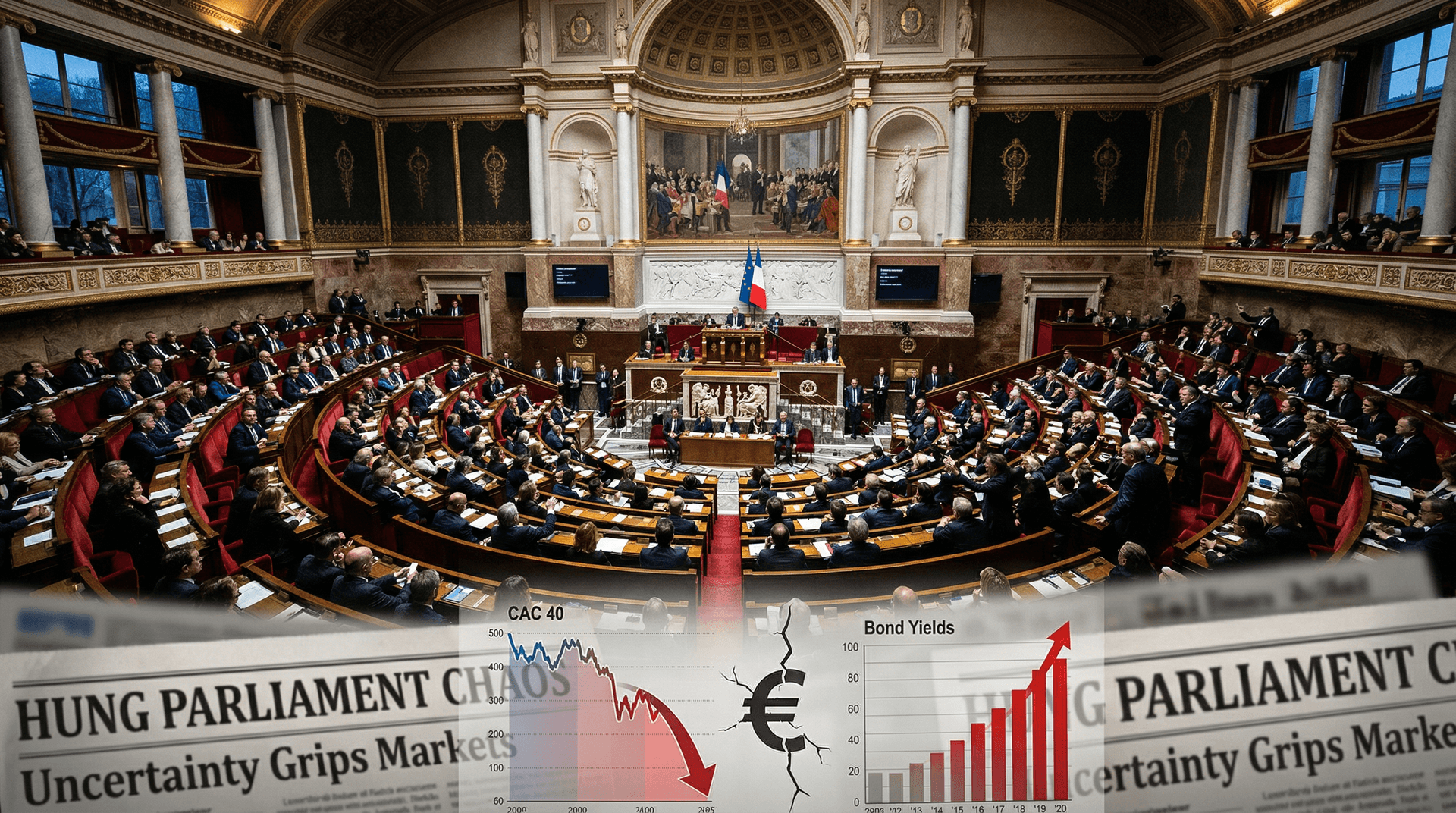
On July 7, 2024, France awoke to a political landscape transformed by the second round of snap legislative elections. President Emmanuel Macron's gamble to call early polls after a bruising European Parliament defeat in June backfired spectacularly. The left-wing New Popular Front (NFP), a fragile alliance of Socialists, Greens, Communists, and Jean-Luc Mélenchon's hard-left La France Insoumise (LFI), clinched the largest bloc with approximately 180-182 seats in the 577-seat National Assembly. Macron's centrist Ensemble alliance followed closely with 168 seats, while Marine Le Pen's far-right National Rally (RN) and allies garnered around 143.
No faction reached the 289 seats needed for an absolute majority, creating France's first hung parliament since the Fifth Republic's founding in 1958. Prime Minister Gabriel Attal tendered his resignation on July 8, but Macron rejected it initially to maintain government functionality amid summer recesses and Olympic Games preparations. By July 15, no new prime minister had been named, leaving France in limbo.
Market Reactions and Economic Ripples
Financial markets reacted swiftly to the impasse. The CAC 40 index dropped over 1.5% in the immediate aftermath, with banks like Société Générale and BNP Paribas hit hardest due to fears of fiscal loosening. The euro weakened against the dollar, dipping below $1.08, as investors fretted over France's ballooning deficit—projected at 5.3% of GDP for 2024, well above the EU's 3% Maastricht threshold.
Bond yields on 10-year OATs surged to 3.2%, signaling higher borrowing costs. Credit rating agencies like Moody's and S&P issued warnings, with the latter maintaining a negative outlook on France's AA- rating. The political vacuum exacerbates risks of a 'no-confidence' cascade, potentially paralyzing budget passage for 2025.
Policy Deadlock: Budget, Pensions, and Reforms
The NFP's victory hinges on its radical agenda: scrapping Macron's unpopular pension reform (raising retirement age to 64), imposing price caps on essentials, a 90% tax on incomes over €400,000, and €150 billion in new spending. Yet, without a majority, implementation faces hurdles. Mélenchon's LFI dominates the NFP but alienates centrists and even some Socialists.
Macron's camp eyes a 'republican front' coalition excluding extremes, but ideological chasms loom. Ensemble MPs balk at left-wing economics, while RN lurks as a kingmaker in no-confidence votes. This gridlock threatens France's €50 billion savings target under EU fiscal rules, revived post-COVID with stricter enforcement from 2025.
EU Policy Commissioner Paolo Gentiloni urged Paris to respect commitments, but Brussels' leverage is limited. A French fiscal lapse could unravel the bloc's stability pact, pressuring high-debt peers like Italy (140% debt-to-GDP) and testing Ursula von der Leyen's Commission's resolve.
Geopolitical Fault Lines
Beyond economics, the election reshapes Europe's geopolitical posture. The NFP's platform includes halting arms to Israel and softening Ukraine support—contrasting Macron's hawkish stance. LFI's pro-Russia leanings (Mélenchon questioned Zelenskyy's legitimacy) raise alarms in NATO circles, especially post-NATO Summit in Washington (July 9-11), where allies pledged €40 billion annual aid to Kyiv.
France, the EU's sole nuclear power and key troop contributor (e.g., 3,000 soldiers in Estonia), now risks wavering resolve. A leftist-led government could veto EU sanctions on Russia or demand Ukraine concessions, fracturing transatlantic unity amid U.S. election uncertainties.
Investor Strategies Amid Uncertainty
For markets, the playbook is defensive:
- Short euro longs: Prolonged instability favors USD strength.
- French bank shorts: Dividend cuts loom if capital buffers tighten.
- German bunds: Safe-haven flows bolster Bunds over OATs.
- Defensive sectors: Utilities and pharma outperform cyclicals.
BlackRock's Europe head warned of 'French premium' in asset pricing, echoing 2017 election scares but amplified by post-pandemic fragilities.
Outlook: Scenarios and Risks
Optimistic: Macron engineers a technocratic government by September, passing a compromise budget with EU acquiescence. Markets stabilize as Olympics boost sentiment.
Base case: Deadlock persists into autumn, triggering caretaker governance and snap polls. Deficit widens to 6%, prompting ECB interventions.
Pessimistic: NFP-RN axis topples Ensemble, unleashing fiscal expansion and EU infringement proceedings. Credit downgrade ensues, spiking yields.
By July 15, Macron convened party leaders for talks, hinting at cross-aisle pacts. Yet, summer holidays and Olympics delay resolutions, prolonging angst.
Broader EU and Global Implications
France's turmoil underscores populism's surge across Europe—from Netherlands' Wilders to Germany's AfD polls. It challenges the 'Macron moment' of pro-EU activism, vital for enlargement (Ukraine, Balkans) and China containment.
Globally, U.S. CPI cooling (3% YoY July 11) buoyed rate-cut hopes, but French drama tempers risk appetite. Fed's July 30-31 meeting now contends with Eurozone spillovers.
In sum, France's hung parliament is no mere domestic squall—it's a macro policy cyclone threatening EU cohesion at a pivotal juncture. Investors and policymakers watch Paris closely, as the City of Light flickers under political shadows.