- BEA Q2 2024: Equipment investment up 1.1% q/q SAAR to $321.4B annualized.
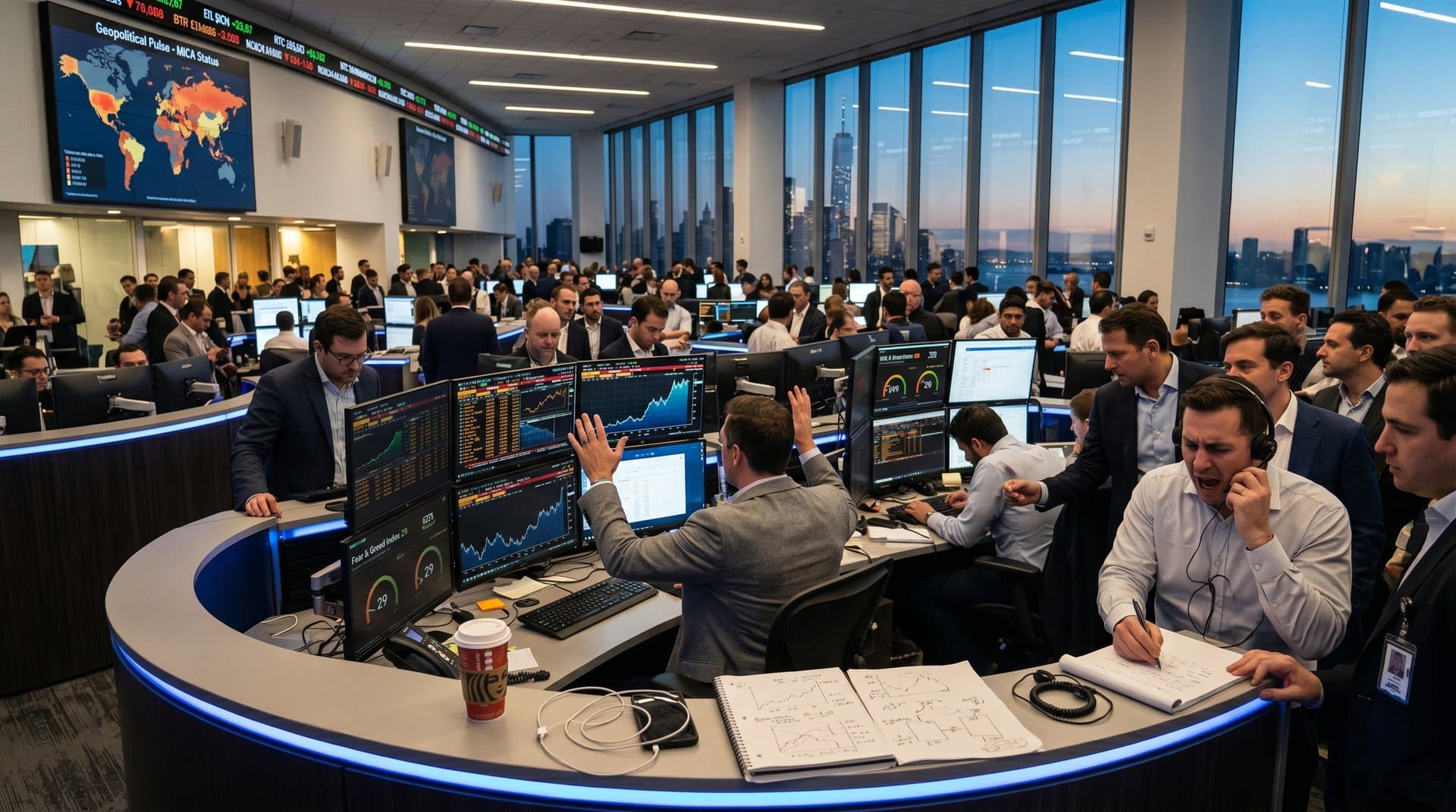
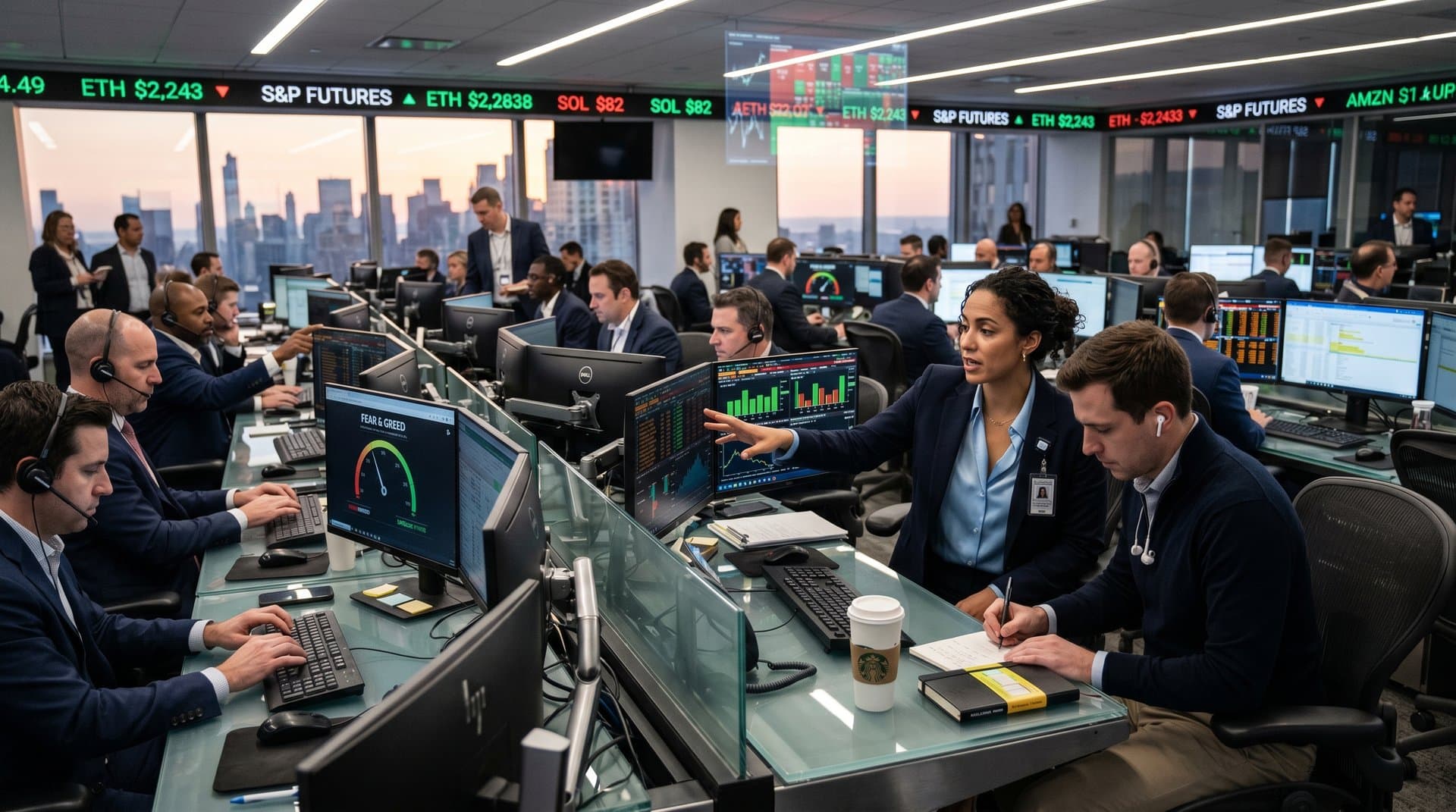
- CNN Fear & Greed Index at 29 signals extreme fear amid crypto dips.
- S&P IT index +25% YTD outperforms broader market by 3 points, per Bloomberg.
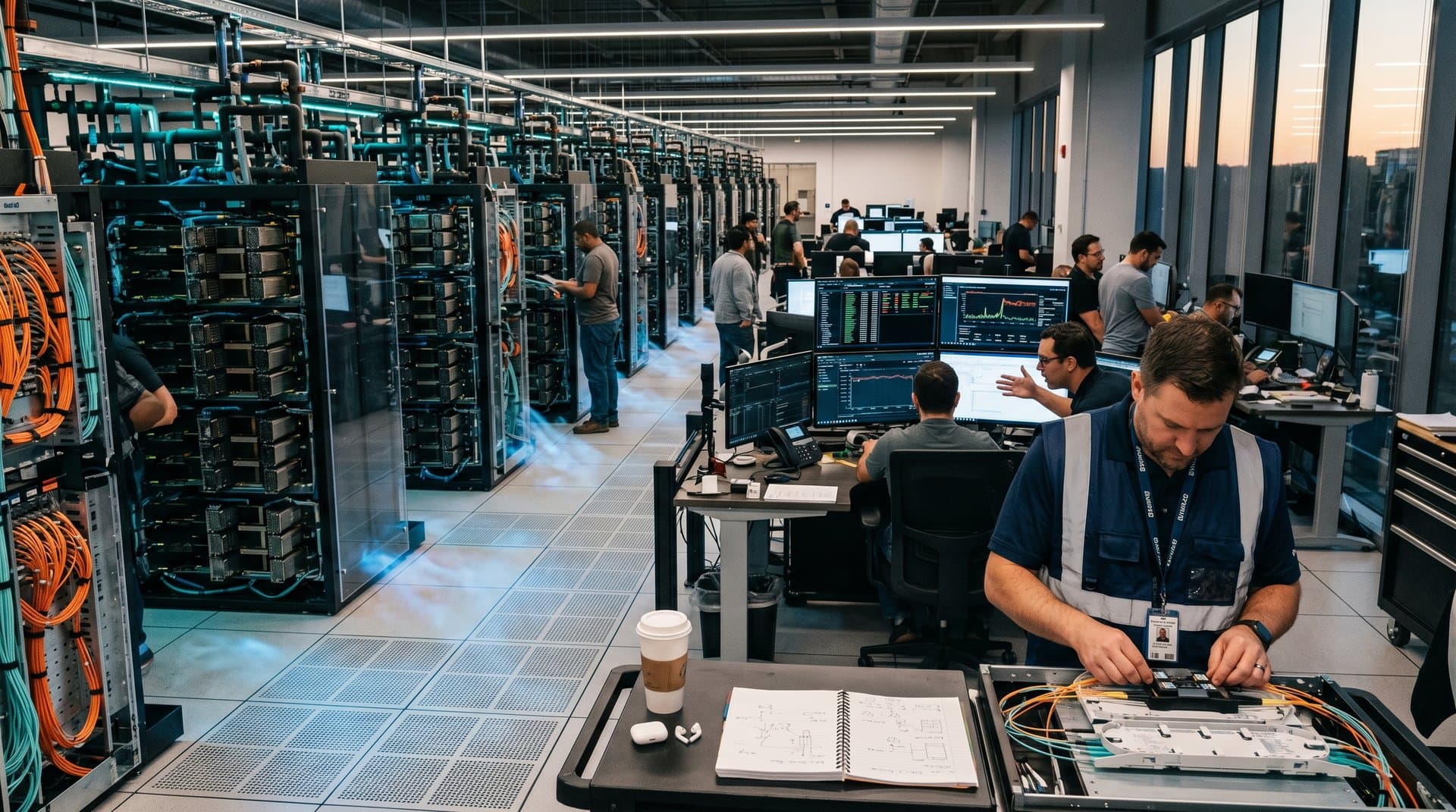
AI spending drove US nonresidential equipment investment up 1.1% q/q SAAR to a six-year high in Q2 2024. The Bureau of Economic Analysis (BEA) released its advance estimate on October 30. Hyperscalers accelerate capex on servers, GPUs, and data centers for generative AI.
Real private nonresidential equipment spending hit $321.4 billion annualized. This contributed 1.2 percentage points to GDP growth, per BEA. The surge offsets weaker structures investment.
CNN Fear & Greed Index registers 29 as of October 10, indicating extreme fear. Bitcoin trades at USD 76,292, down 1.0% with USD 1,527.4 billion market cap, per CoinGecko. Ethereum stands at USD 2,265.70, down 2.1% with USD 273.4 billion market cap.
Hyperscaler AI Capex Fuels Equipment Surge
Microsoft plans USD 56 billion in FY2024 capex, over half for Azure AI compute, per its Q1 earnings call on October 30. Amazon Web Services (AWS) expands NVIDIA GPU clusters across US regions. Google Cloud deploys custom TPUs for AI training.
These investments lift the GDP equipment component. BEA attributes 0.8 points of Q2 GDP growth to information processing equipment, including computers and software.
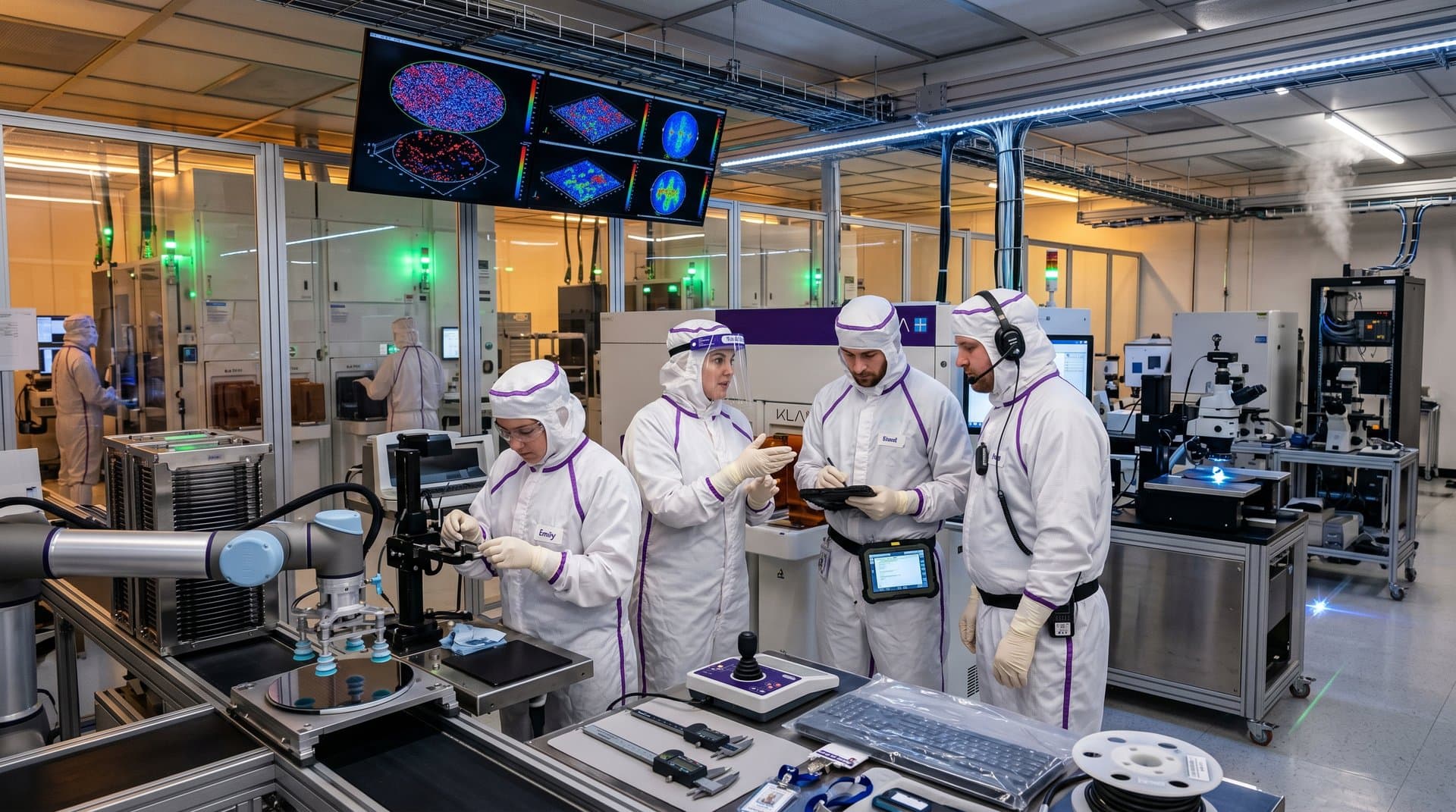
Semiconductor supply chains strain under AI demand. Taiwan Semiconductor Manufacturing Company (TSMC) ramps 3nm and 5nm production for high-end chips, per Q3 earnings guidance.
Supply Chain Bottlenecks from AI Capex
NVIDIA ships Hopper H100 and Blackwell GPUs for large language models. Shortages hit high-bandwidth memory (HBM) and rare earth elements. Companies shift sourcing from China to Vietnam and Mexico, per US Census Bureau trade data with 15% y/y drop in China semiconductor imports.
Federal Reserve officials monitor inflation pass-through. Chicago Fed President Austan Goolsbee noted supply constraints in his October 7 speech. Data center construction booms, with structures investment up 0.7% q/q per BEA.
This reflects a structural AI shift. US equipment spending now tracks AI compute needs over traditional cycles.
Equity-Crypto Divergence Amid 6-Year Peak
Markets price in AI productivity gains. The S&P 500 Information Technology index rises 25% YTD through October 10, outperforming the broader S&P 500's 22% gain, per Bloomberg. Semiconductors lead on capex tailwinds.
Crypto underperforms: Solana at USD 83.20 (down 1.1%, USD 47.9 billion market cap); XRP at USD 1.37 (down 1.0%, USD 84.5 billion), per CoinGecko.
- Asset: BTC · Price (USD): 76,292 · 24h Change: -1.0% · Market Cap (USD B): 1,527.4
- Asset: ETH · Price (USD): 2,265.70 · 24h Change: -2.1% · Market Cap (USD B): 273.4
- Asset: XRP · Price (USD): 1.37 · 24h Change: -1.0% · Market Cap (USD B): 84.5
- Asset: SOL · Price (USD): 83.20 · 24h Change: -1.1% · Market Cap (USD B): 47.9
AI capex bolsters equities while crypto faces fear-driven selling.
European Central Bank (ECB) evaluates AI's eurozone productivity impact in October staff report. Bank of Japan (BOJ) tracks yen effects from equipment imports, per September policy minutes.
Central Banks React to AI Investment Boom
Fed Chair Jerome Powell highlighted AI's capital intensity at the September 18 FOMC press conference. The Fed balances equipment spending against services CPI at 2.4% y/y (September BLS data). The 10-year Treasury yield curve steepens to 50 basis points (2s10s spread), per US Treasury data.
India offers USD 10 billion in domestic fab incentives, per Ministry of Electronics IT announcement. Brazil ties commodity exports to AI hardware demand. Taiwan Strait tensions risk supply shocks, with TSMC warning of 5-10% cost hikes.
Tech giants fund capex from free cash flows. Investment-grade AI-related bonds see spreads tighten 20 basis points, per Bloomberg indices.
Geopolitics Spurs AI Capex Diversification
The US CHIPS Act allocates USD 52.7 billion in semiconductor subsidies, per Commerce Department. Export controls restrict advanced chips to China. The Netherlands limits ASML EUV lithography machine sales.
Firms build US fabs via Intel and GlobalFoundries. Intel's Ohio facility targets 2027 production at USD 20 billion cost, per company filings.
TRON rises to USD 0.33 (up 0.7%, USD 30.9 billion), per CoinGecko, bucking crypto weakness. Yet CNN Fear & Greed at 29 dominates sentiment.
Hyperscaler Q3 earnings, due late October, will detail capex trajectories. SEMI reports global chip utilization above 90% in Q3 survey. The next Fed dot plot in December weighs AI-driven growth against rate normalization.
Frequently Asked Questions
What drives AI spending in business equipment investment?
Hyperscalers invest in GPUs and data centers for AI models per BEA Q2 2024. This lifts equipment outlays 1.1% q/q to six-year high. Supply chains strain under chip demand.
How does AI spending affect macro finance markets?
AI capex boosts tech equities amid crypto fear, Fear & Greed at 29. Central banks monitor productivity. BTC at USD 76,292 reflects caution per CoinGecko.
Why is business equipment investment at a 6-year high?
BEA Q2 2024 shows AI capex dominating machinery buys at $321.4B annualized. Enterprises expand compute capacity. Geopolitics diversifies supply chains.
What market signals come from AI spending surge?
Semiconductors outperform S&P 500 (+25% YTD) on capex tailwinds per Bloomberg. Yield curve steepens 50bps. Crypto weakness persists despite TRON gains.