Mindmatters.ai published Part 5 of its AI Review on April 12, 2026, analyzing surging AI compute demand amid geopolitical tensions in chip production. These forces reshape global supply chains.
Analysts at Mindmatters.ai project AI compute demand triples by 2028, based on International Energy Agency data and TSMC Q1 2026 production figures. Training frontier large language models consumes power equivalent to Denmark's annual usage, per IEA estimates. Semiconductor shortages intensify pressures, heightening volatility in tech equities.
Surging AI Compute Demand Drives Infrastructure Boom
Hyperscalers like Amazon Web Services and Microsoft Azure doubled AI data center investments in Q1 2026, per Capgemini reports. Capex hit USD 120 billion. Model scaling laws fuel this surge.
NVIDIA's H100 GPUs dominate, with demand exceeding supply by 40 percent, according to Gartner Q1 2026 survey. Enterprises allocate 25 percent of IT budgets to AI compute. Power constraints curb expansion.
Utilities report grid strains in Virginia and Texas data center hubs, citing U.S. Energy Information Administration data. Mindmatters.ai forecasts USD 1 trillion in global AI infrastructure spending by 2030.
Compute efficiency gains slow as models scale. OpenAI's GPT-5 requires 10 times the FLOPs of GPT-4, per industry leaks. Chipmakers accelerate next-generation silicon delivery.
Geopolitical Fault Lines Fracture Chip Supply
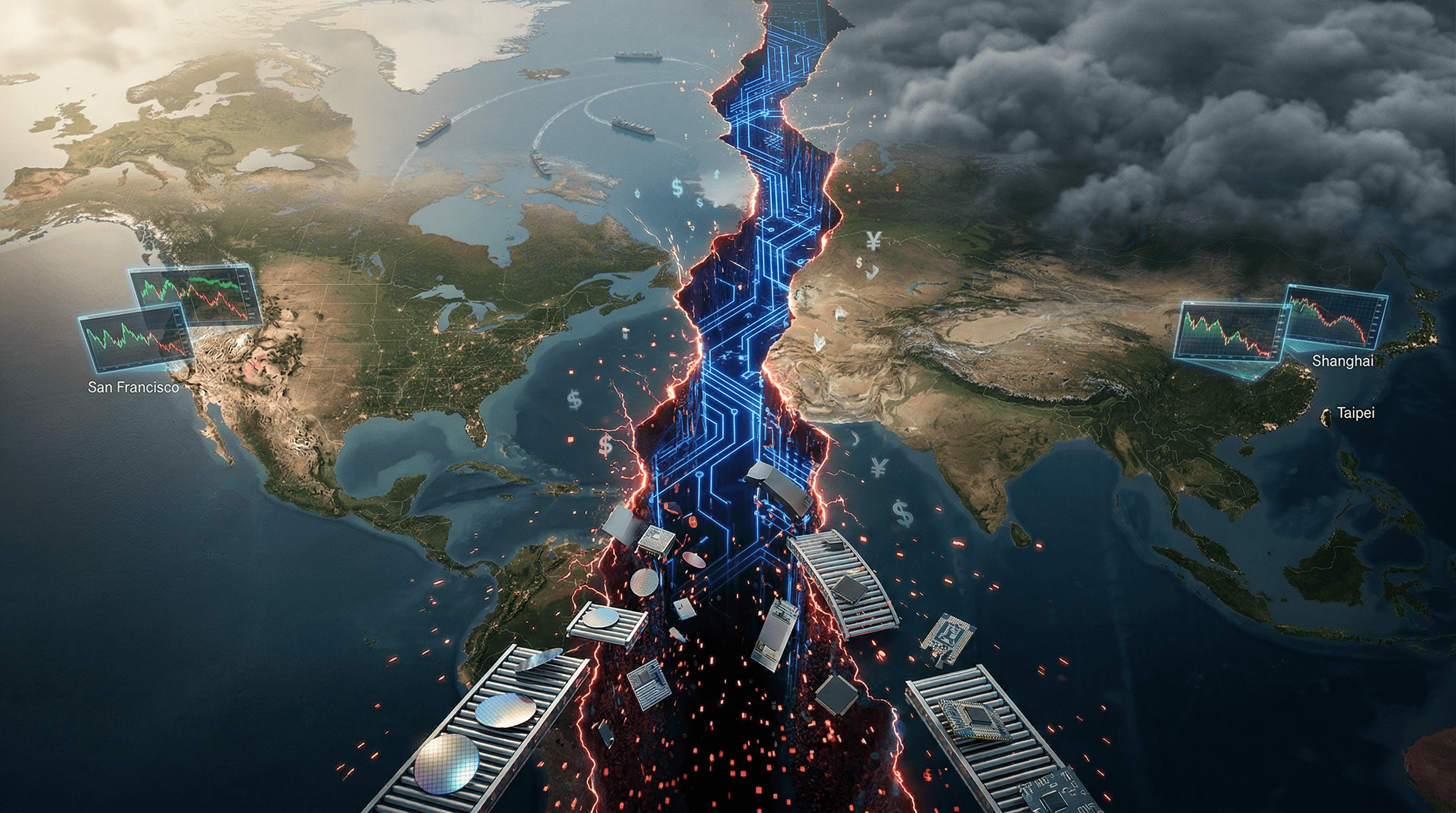
The United States tightened export controls on advanced chips to China in March 2026. The Bureau of Industry and Security expanded restrictions on ASML lithography tools. Taiwan Semiconductor Manufacturing Company faces production risks.
Mindmatters.ai highlights Taiwan Strait tensions that elevate supply disruptions. Contracts now include a five percent earthquake risk premium, per Bloomberg Terminal data. China ramps domestic foundries through SMIC.
Samsung Electronics invests USD 17 billion in Texas fabs under CHIPS Act incentives. Intel reports 18A process yields at 60 percent in Q1 2026 filings. These moves fragment global capacity.
Trade sanctions disrupt 30 percent of high-end AI chip flows. Mindmatters.ai models project NVIDIA revenue growth slows to 50 percent year-over-year from 120 percent peaks.
Market Ripples Hit Equities and Currencies
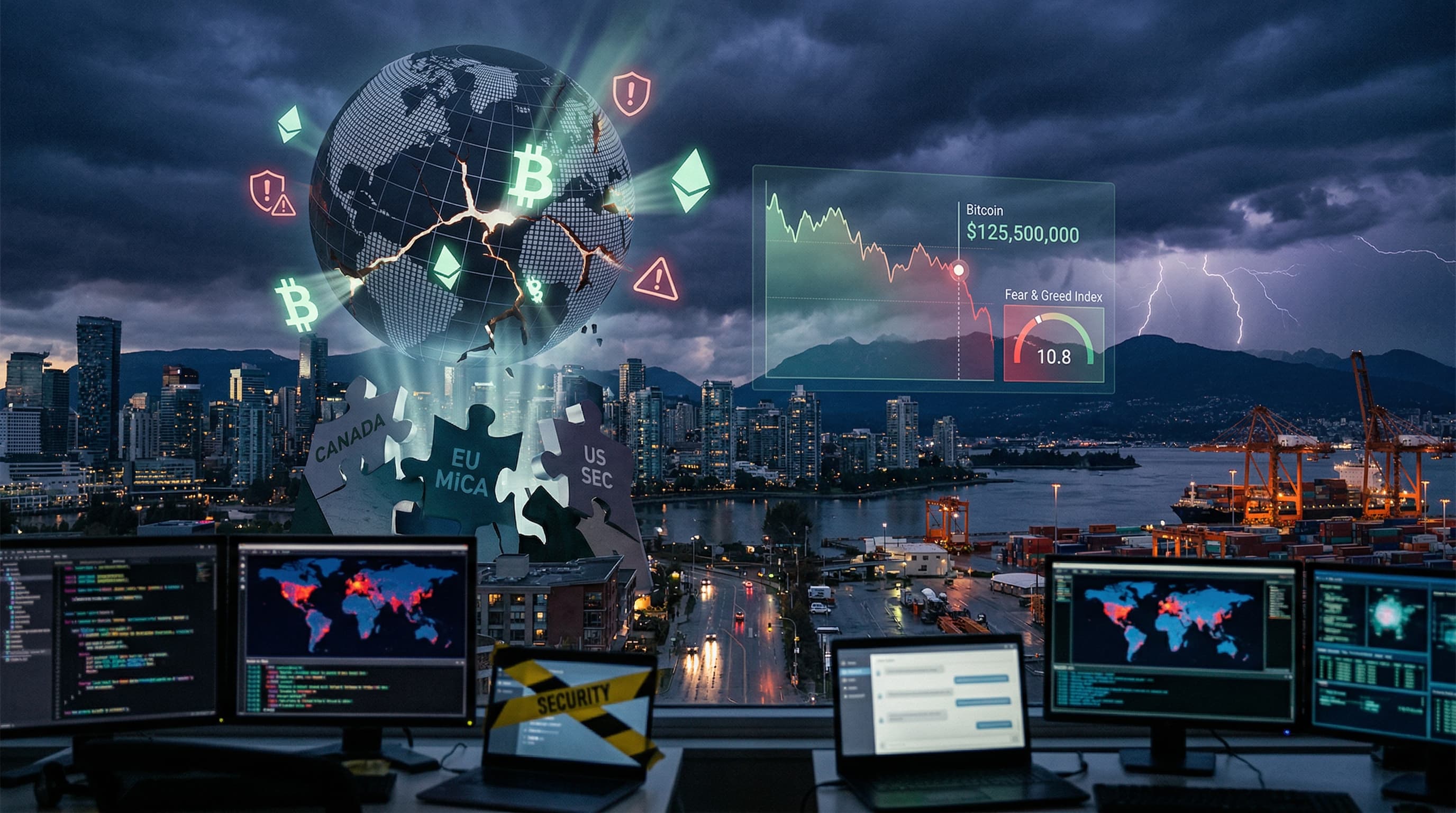
The Philadelphia Semiconductor Index dropped 1.8 percent on April 12, 2026, to 4,520 points. CNN Fear & Greed Index hit 16, signaling extreme fear. Bitcoin fell 1.6 percent to USD 71,643.
Ethereum traded at USD 2,215 amid risk-off flows. AI-themed ETFs like BOTZ declined 2.3 percent. Mindmatters.ai attributes moves to compute bottleneck fears.
Federal Reserve signals rate pauses steepen yield curves amid energy-driven inflation. AI capex lifts copper and rare earth prices 15 percent year-to-date, per London Metal Exchange data.
ASML exposure drags European markets. The AEX index fell 1.2 percent. The USD strengthened 0.5 percent against the EUR, boosting currency volatility.
Corporate Strategies Counter Compute Constraints
Google DeepMind partners with Broadcom on custom TPUs to cut NVIDIA reliance. Meta Platforms allocates USD 40 billion to in-house fabs. These steps secure supply amid conflicts.
AMD captures 10 percent market share with MI300X accelerators, per Mindmatters.ai Q1 estimates. Grok-like startups shift to edge AI, avoiding cloud limits. Venture funding for efficient inference reaches USD 5 billion in Q1 2026.
Taiwan firms relocate 20 percent of capacity to Arizona and Japan. Costs rise 25 percent, squeezing margins.
Enterprises deploy quantization techniques, slashing compute needs fourfold. Mindmatters.ai observes software advances temporarily offset hardware shortages.
Forward Risks Signal AI Compute Demand Pressures
Mindmatters.ai warns of a 2027 compute crunch if geopolitical tensions escalate, sustaining AI compute demand surge. Rhodium Group simulations predict a Taiwan conflict halves global chip output. Markets price 15 percent probability.
Investors eye TSMC's Q2 2026 earnings on April 18. Monitor NVIDIA's Blackwell production ramp and U.S. CHIPS Act fund flows. Energy firms like NextEra Energy gain from data center power deals.
Central banks monitor AI-driven inflation. European Central Bank models forecast 0.5 percent GDP uplift from compute efficiency gains. Geopolitical de-risking bolsters U.S. tech leadership.
Mindmatters.ai recommends hedges via gold and volatility products amid AI compute demand surge. Semiconductors offer rebound potential if supply stabilizes. ASML orders provide early signals.