- $165M stolen in 2026 crypto heist surge, Binance says.
- Fear & Greed Index drops to 23 amid cyber threats.
- Bitcoin holds $74,739 despite $1.48T market cap hit.
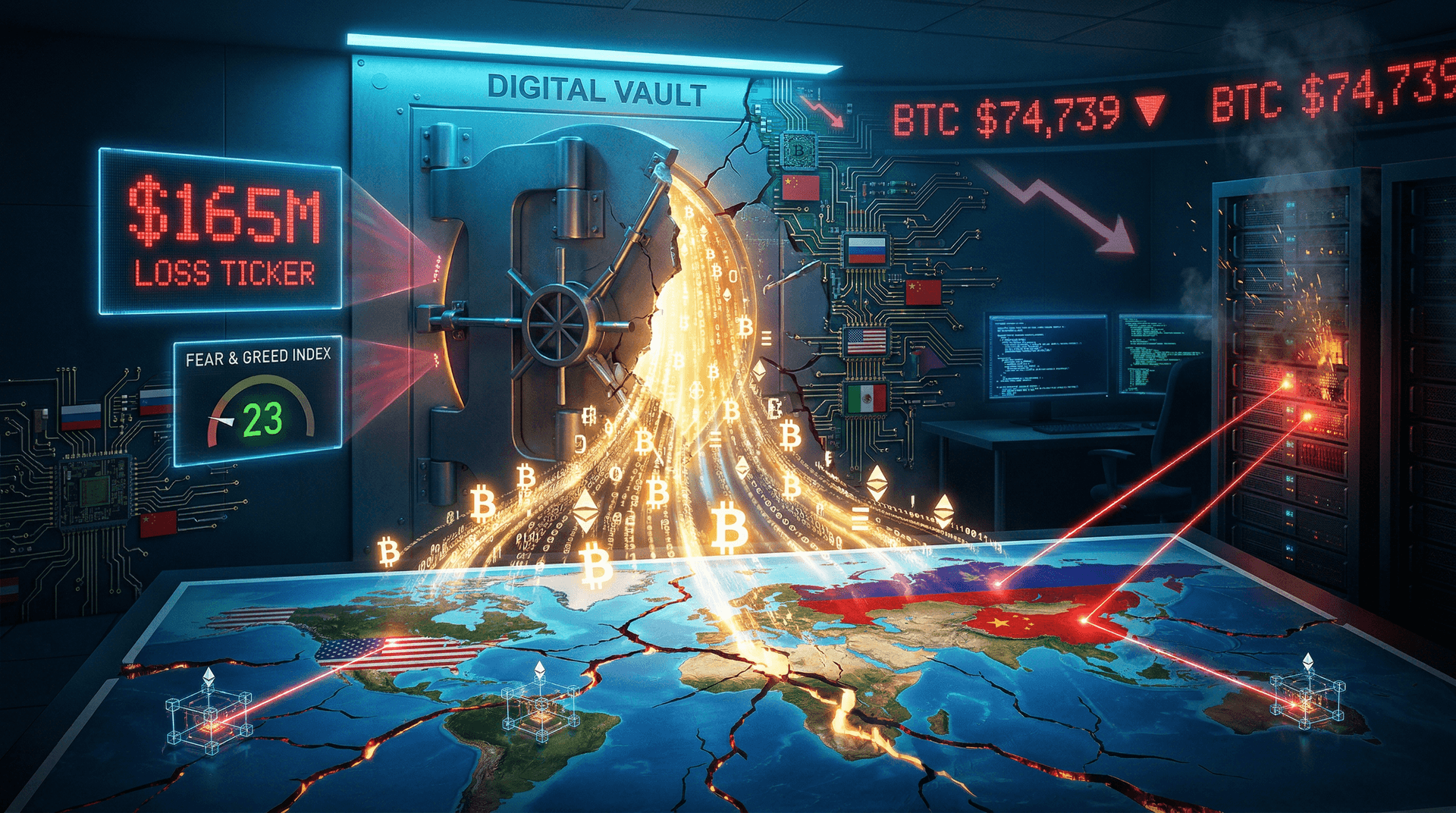
The 2026 crypto heist surge totals $165 million stolen since January 1, per Binance Research report dated April 16, 2026. Hackers targeted bridges, wallets, and DeFi protocols. Markets now face liquidity strains and volatility spikes.
Binance Details $165M in 2026 Crypto Thefts
Binance aggregates data from on-chain analytics across 15 exchanges and 40 protocols. Thefts rose 150% from Q4 2025's $66 million, according to Chainalysis' 2026 Crypto Crime Report released April 10. Attackers laundered 70% of funds through Tornado Cash mixers, dodging traditional bank KYC.
Bitcoin trades at $74,739, up 0.2% on April 16, per CoinGecko data. Ethereum climbs 0.9% to $2,355.92. XRP surges 2.9% to $1.40; BNB rises 0.7% to $623.34; USDT pegs steady at $1.00. Total crypto market cap hits $2.62 trillion, per CoinMarketCap.
These gains hide deeper fears. The $165 million loss equals 0.006% of Bitcoin's $1.48 trillion market cap, based on 19.8 million circulating supply (CoinGecko, April 16, 2026).
Fear & Greed Index Plunges to Extreme Fear at 23
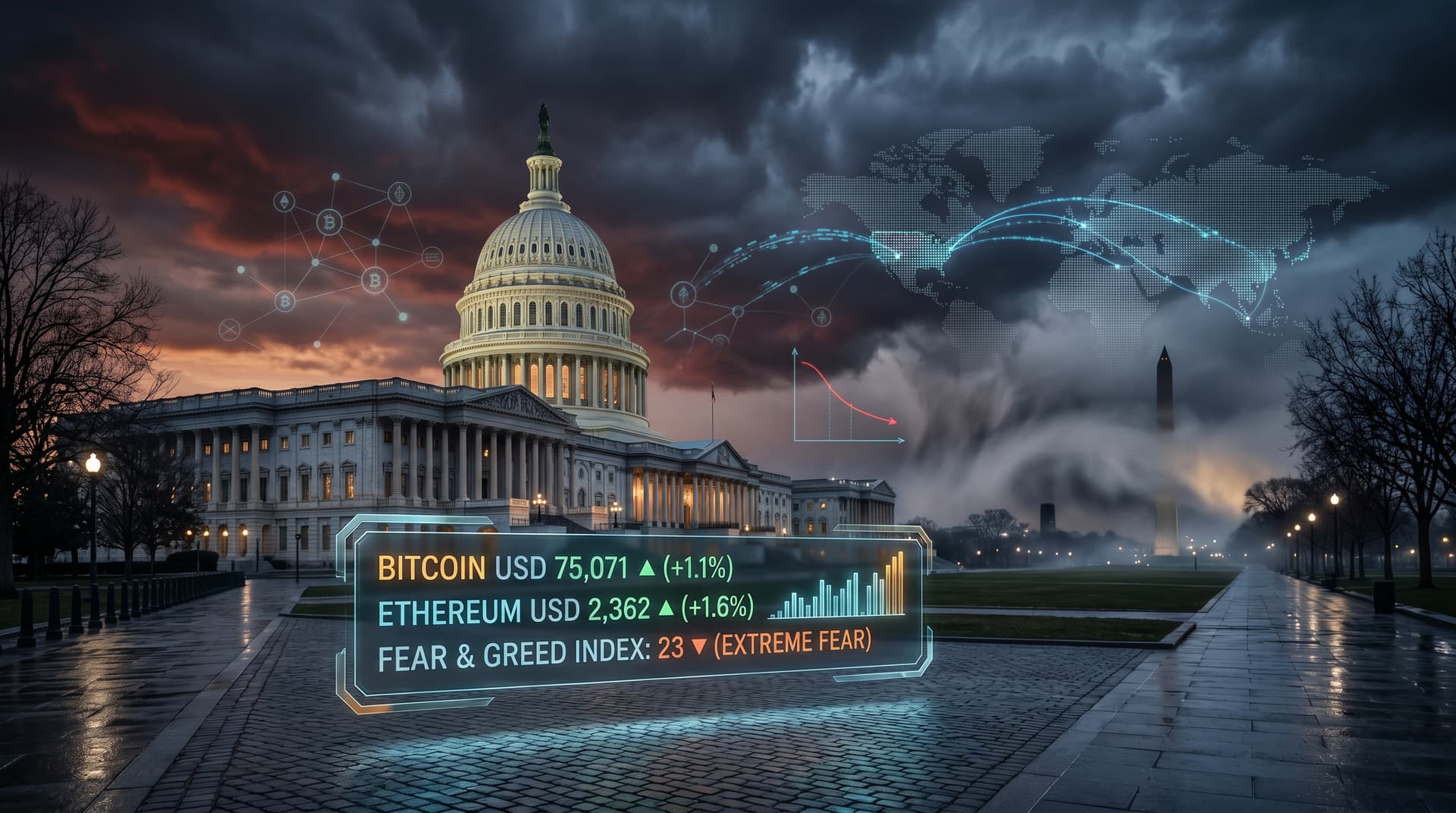
The Crypto Fear & Greed Index falls to 23, signaling extreme fear, per Alternative.me on April 16, 2026. Investors pull $1.2 billion from exchanges in the past week, per CryptoQuant on-chain data. Institutional inflows drop 25% quarter-over-quarter, CoinShares reports in its April 14 weekly update.
State actors drive attacks. North Korea's Lazarus Group stole $89 million from three DeFi hacks, per U.S. Treasury sanctions notice on March 15, 2026. Eastern European ransomware crews hit yield farms, extracting $42 million.
Post-hack outflows total $500 million from CeFi platforms after Q1 incidents, Chainalysis states. Lending rates on Aave climb 200 basis points to 8.5%.
Geopolitical Cyber Risks Transmit to Macro Markets
Nation-states exploit crypto's borderless nature. Sanctions bypass mixers; stolen funds finance 15% of North Korea's missile programs, UN Panel of Experts estimates in February 2026 report. U.S. Treasury blacklists 10 Lazarus wallets holding $120 million.
Spillover hits traditional finance. USDT depegs to $0.998 on April 14, per Kaiko data, triggering $300 million liquidations. Fed tracks Tether's $112 billion reserves in April FOMC minutes.
Forex reacts: USD/JPY drops 45 pips to 149.75 on risk-off flows, Bloomberg FX data shows April 15-16. Yield curves flatten; 10-year Treasury yield dips 4 basis points to 4.12% (U.S. Treasury).
Trade links amplify pain. China supplies 60% of mining ASICs; U.S. export curbs raise hardware costs 15%, per Cambridge Centre for Alternative Finance Q1 2026. Emerging markets forfeit $2 billion FDI after hacks, IMF World Economic Outlook April 2026 notes.
Central Banks and Regulators Counter Crypto Threats
Federal Reserve Chair Jerome Powell warns of "systemic crypto vulnerabilities" in his April 10 FOMC press conference transcript. ECB accelerates MiCA bridge audits, targeting 50 protocols by Q3.
G7 finance ministers endorse blockchain cyber norms at April 12 virtual summit, per joint communique. SEC Rule 13h-1 mandates 72-hour hack disclosures; 90% compliance rate, per April 15 filing analysis.
Binance deploys multi-signature wallets and AI detection, slashing response times 40%, per its April 16 security update. U.S. Congress allocates $10 million hacker bounty pool in March cyber bill.
Europe pilots CBDCs with zero-knowledge proofs; ECB tests reduce settlement risks 60%. Fintech ETF (FINX) falls 3.2% weekly, Yahoo Finance data.
Policy Responses Bolster Digital Assets Confidence
$165M losses curb retail participation; pension funds halt 20% crypto allocations, Morningstar Q1 survey. Hedge funds scoop $450 million dips, per Prime Broker reports.
BTC holds $74,000 support. Ethereum deploys Layer-1 patches; Layer-2s cut attack vectors 70%, per L2Beat analytics.
G20 leaders draft attribution standards for June summit. Markets await Fed's May rate decision for guidance.
The 2026 crypto heist surge tests digital asset resilience. Coordinated policy measures restore macro confidence and stabilize global flows.
This article was generated with AI assistance and reviewed by automated editorial systems.